Human-answered service
Abby Connect
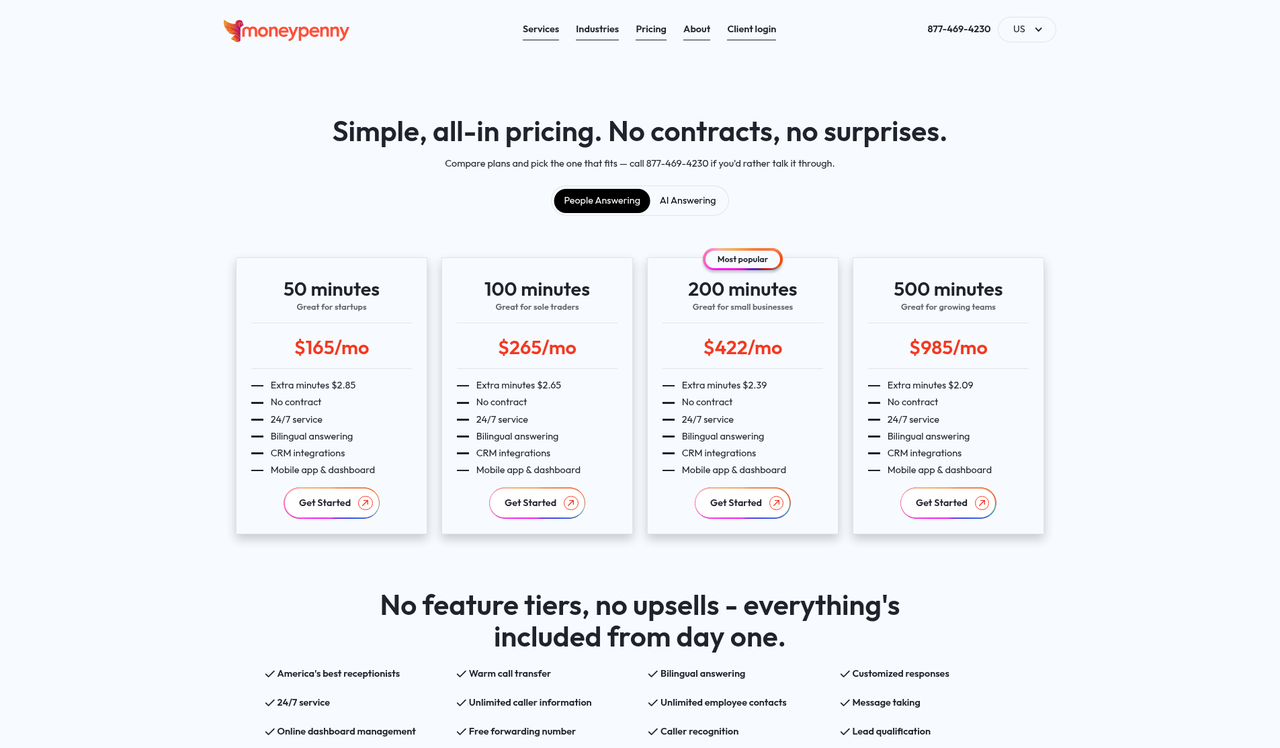
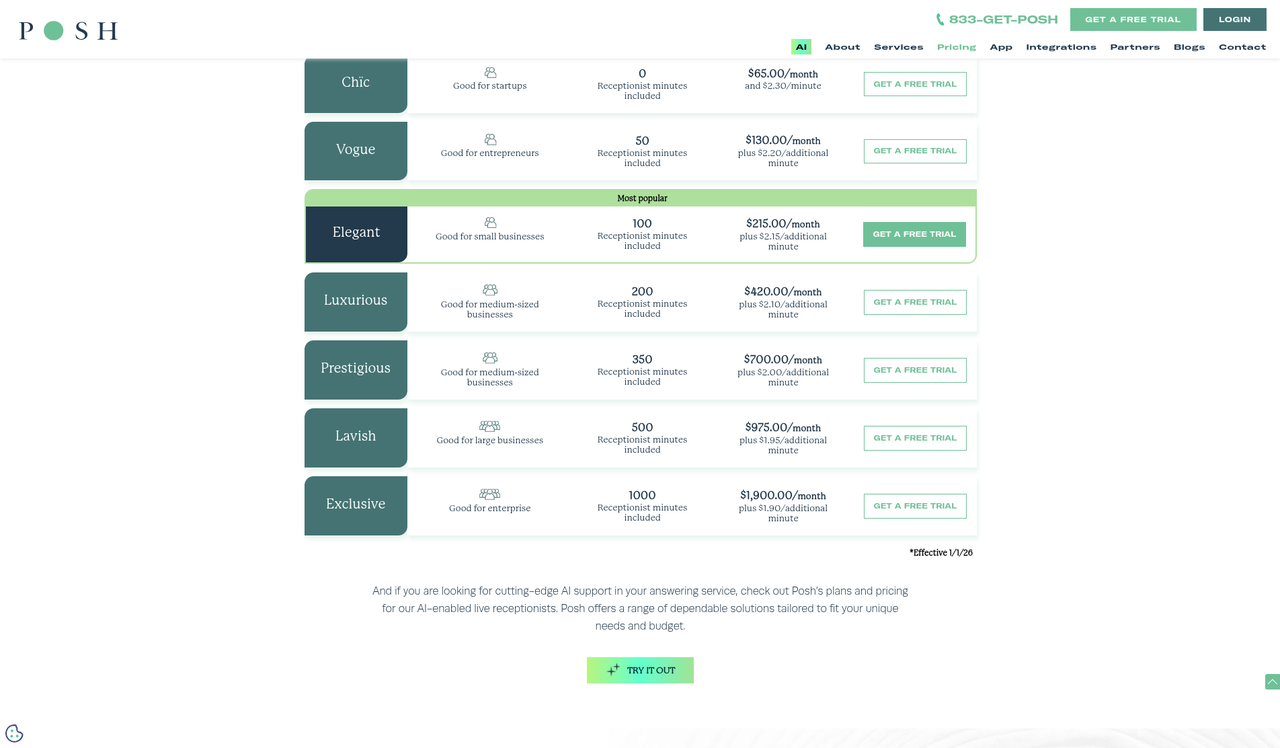
50 min $165/mo; 100 min $329/mo; 200 min $599/mo; 500 min $1,380/mo; Enterprise custom. AI doubles Abby minutes on chosen plan.
Abby Minutes bundles
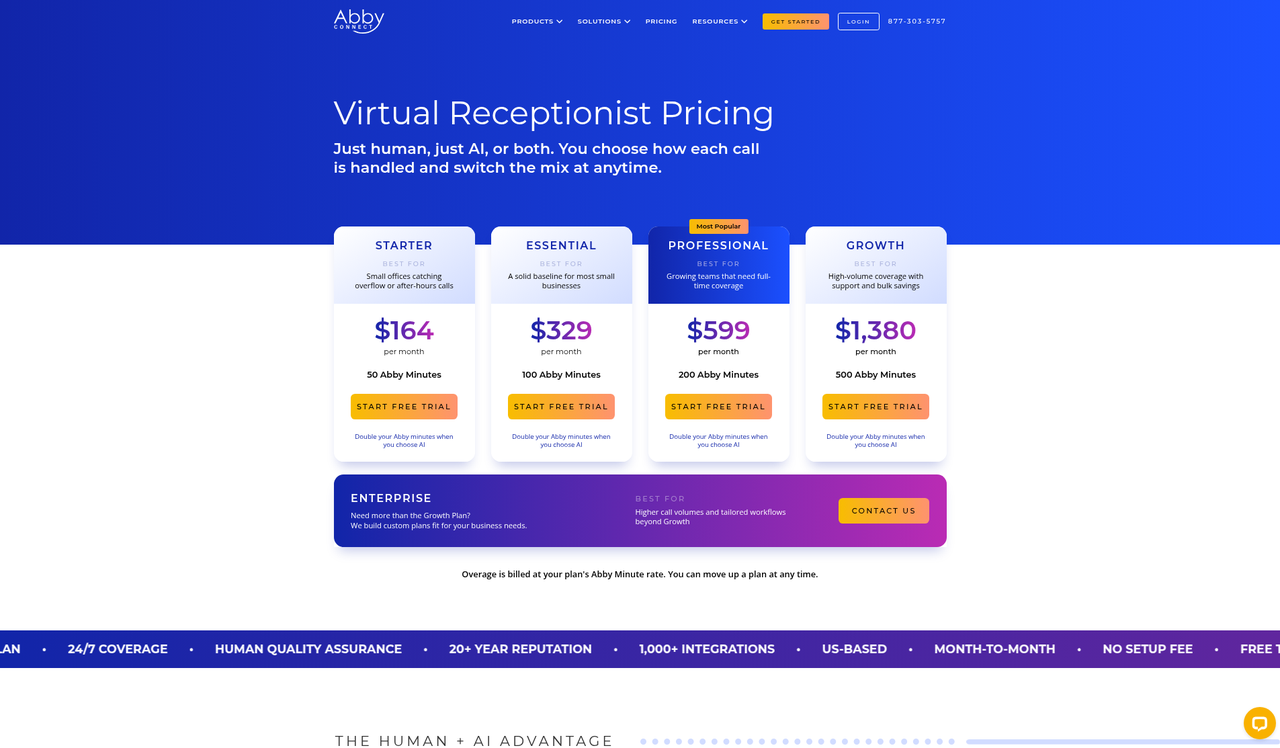
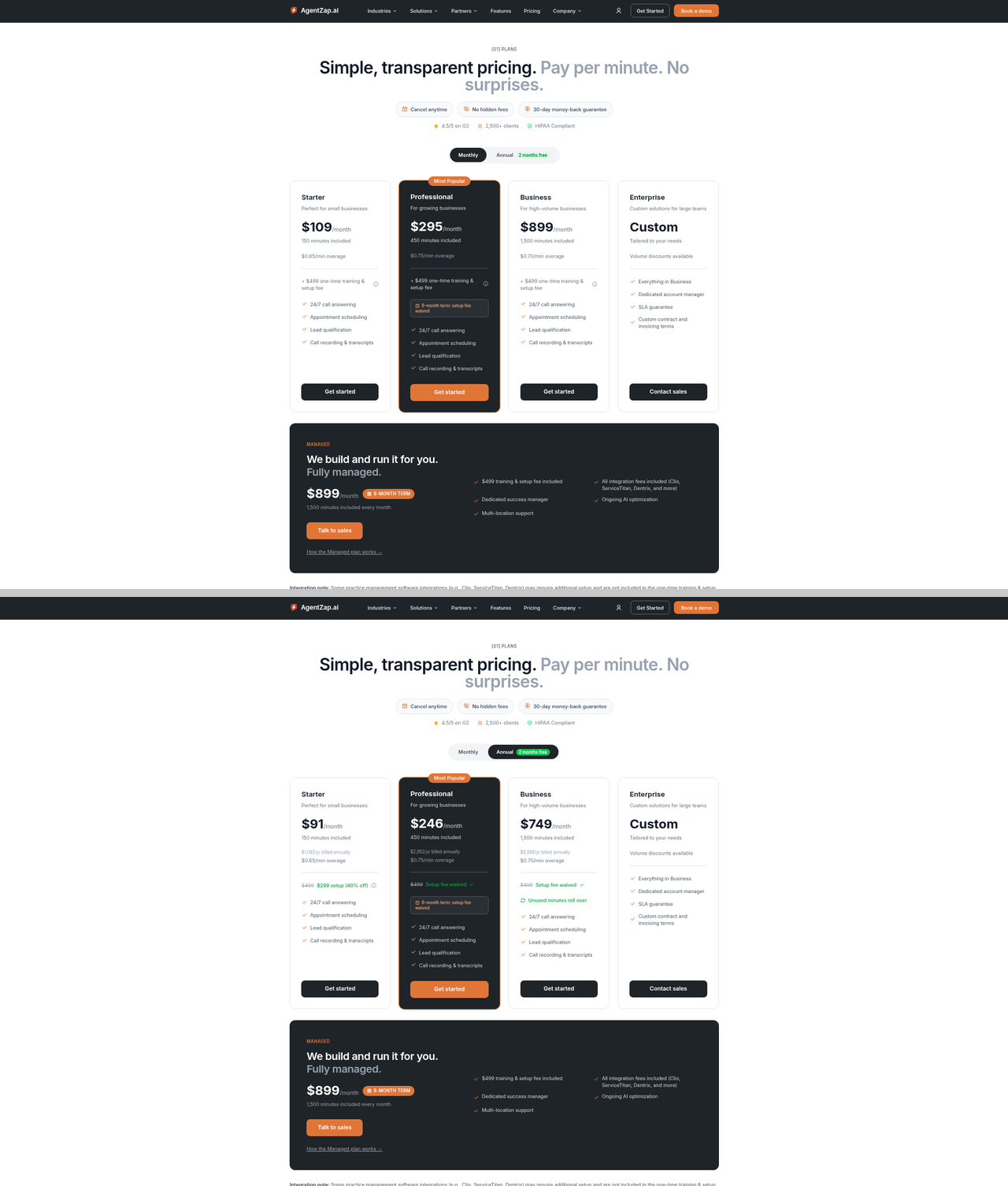
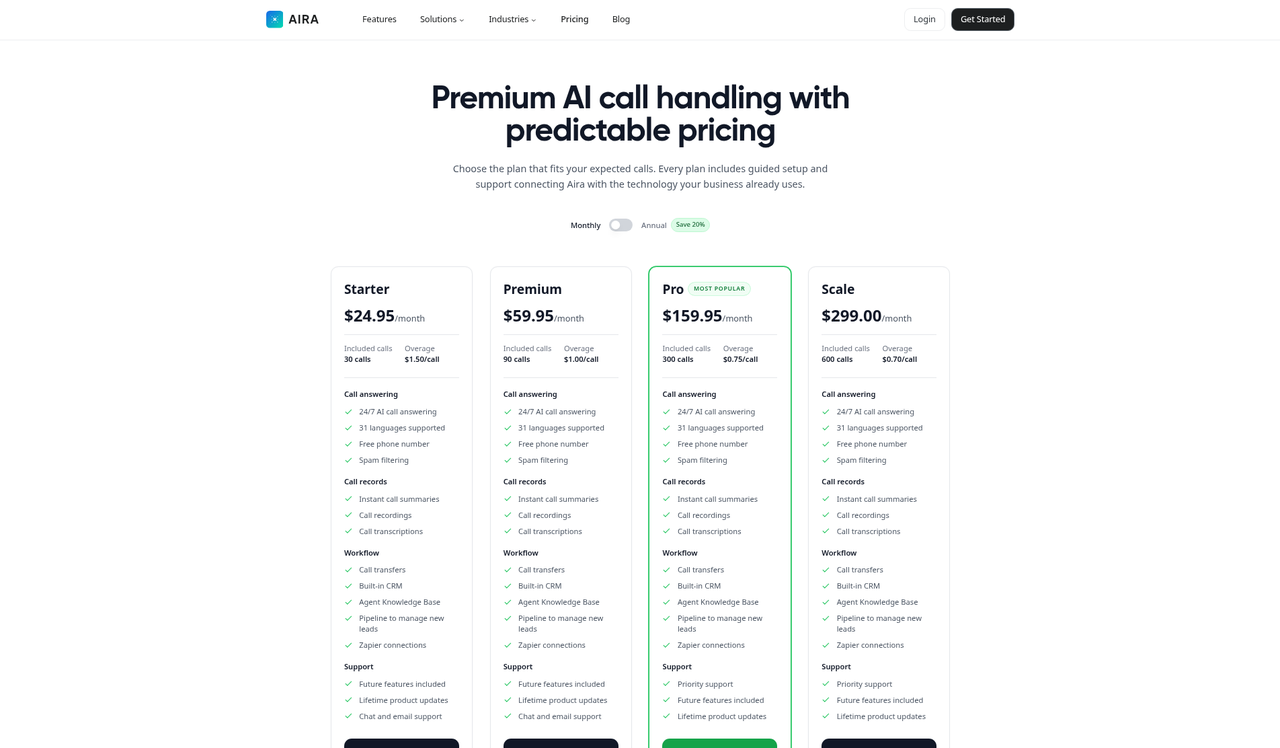
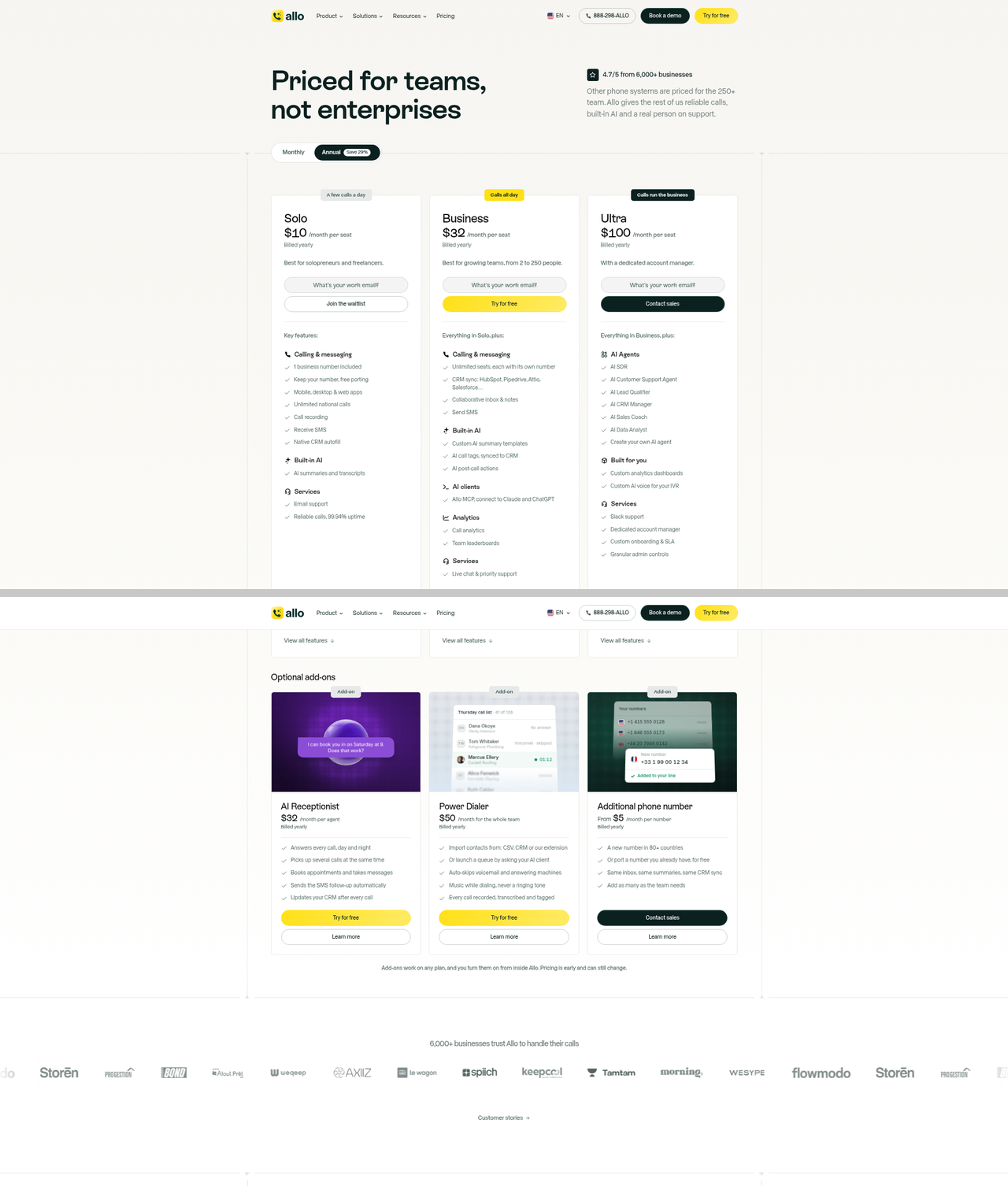
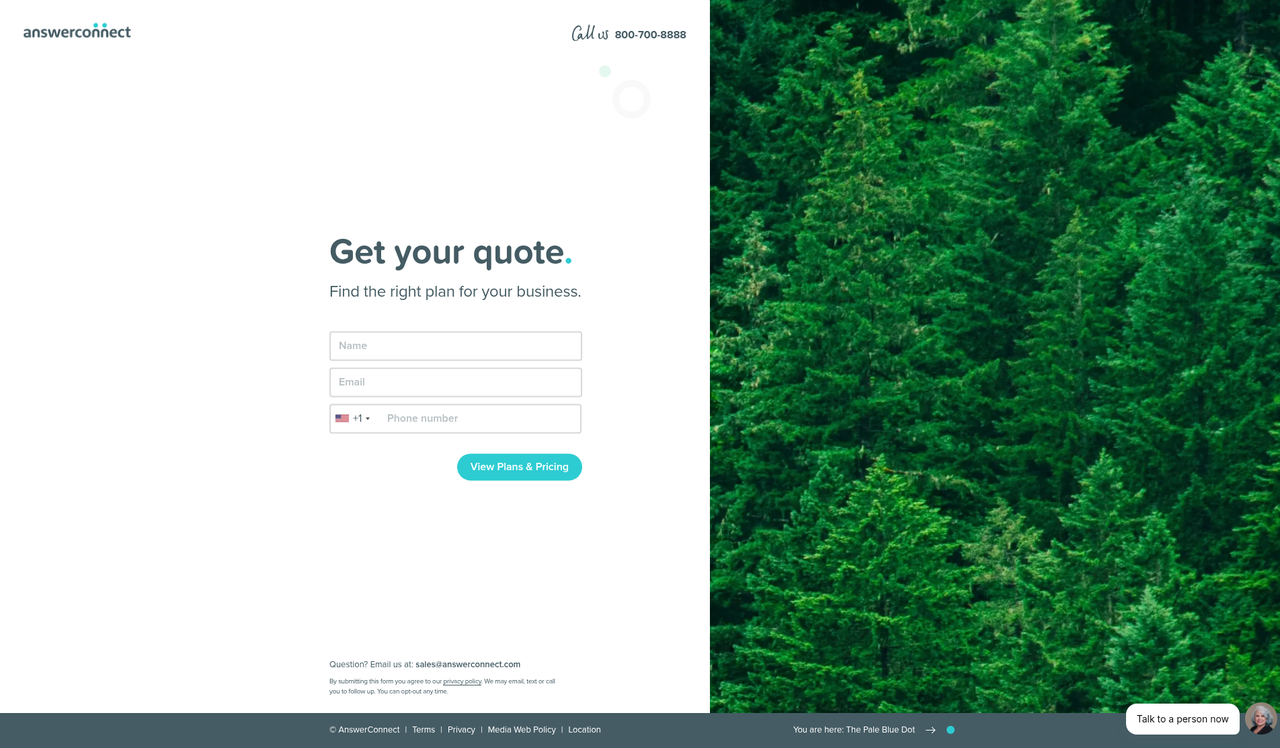
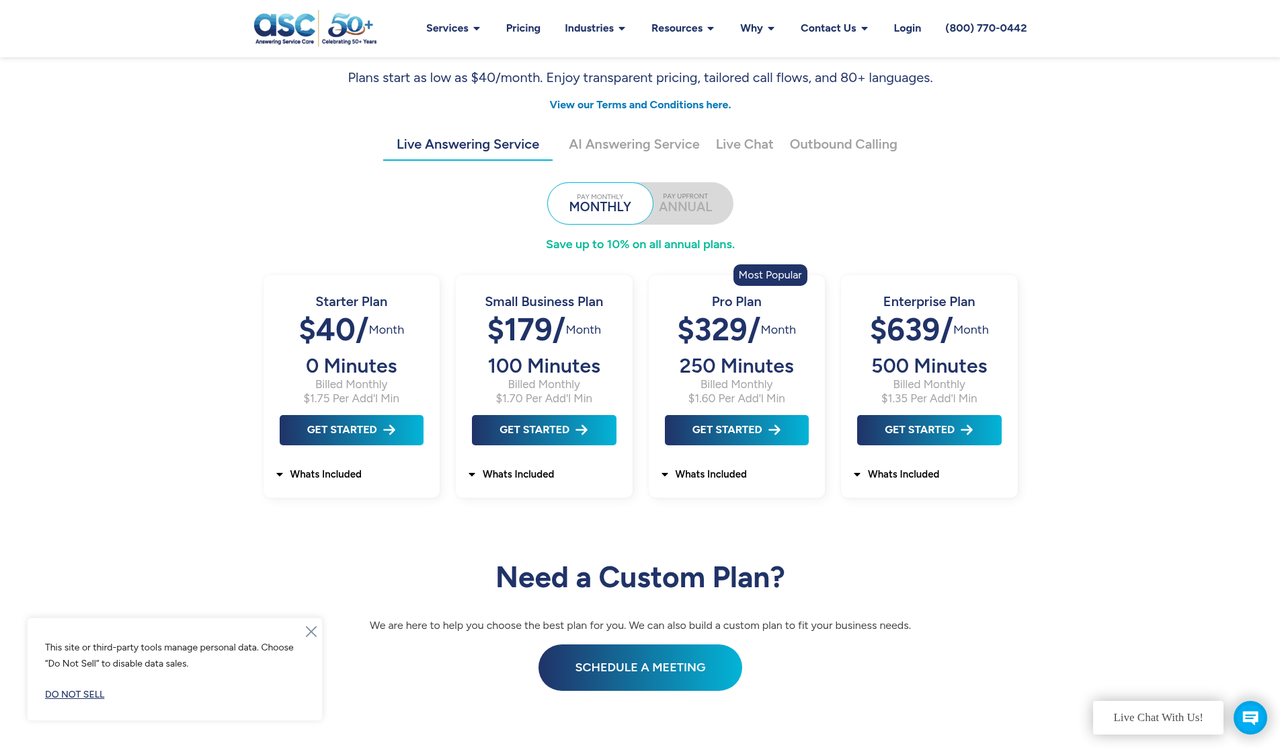
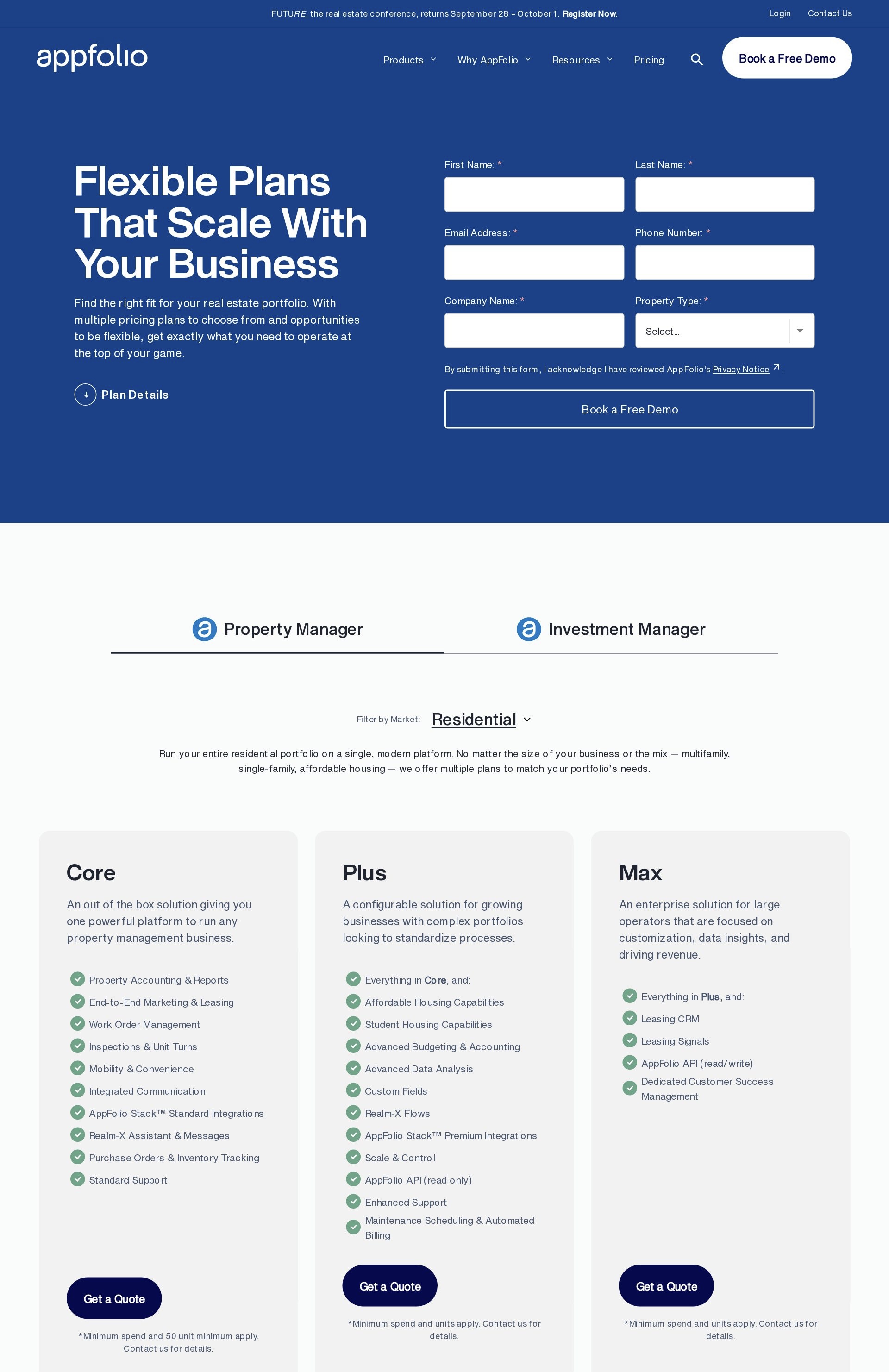
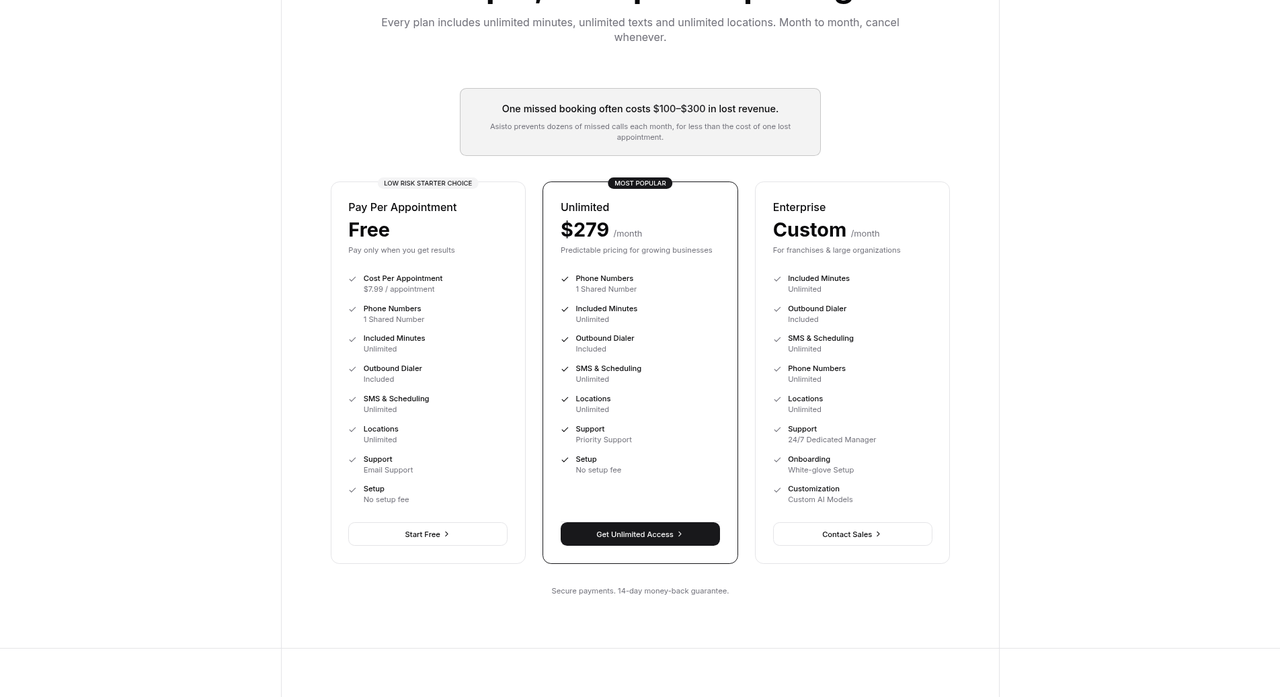
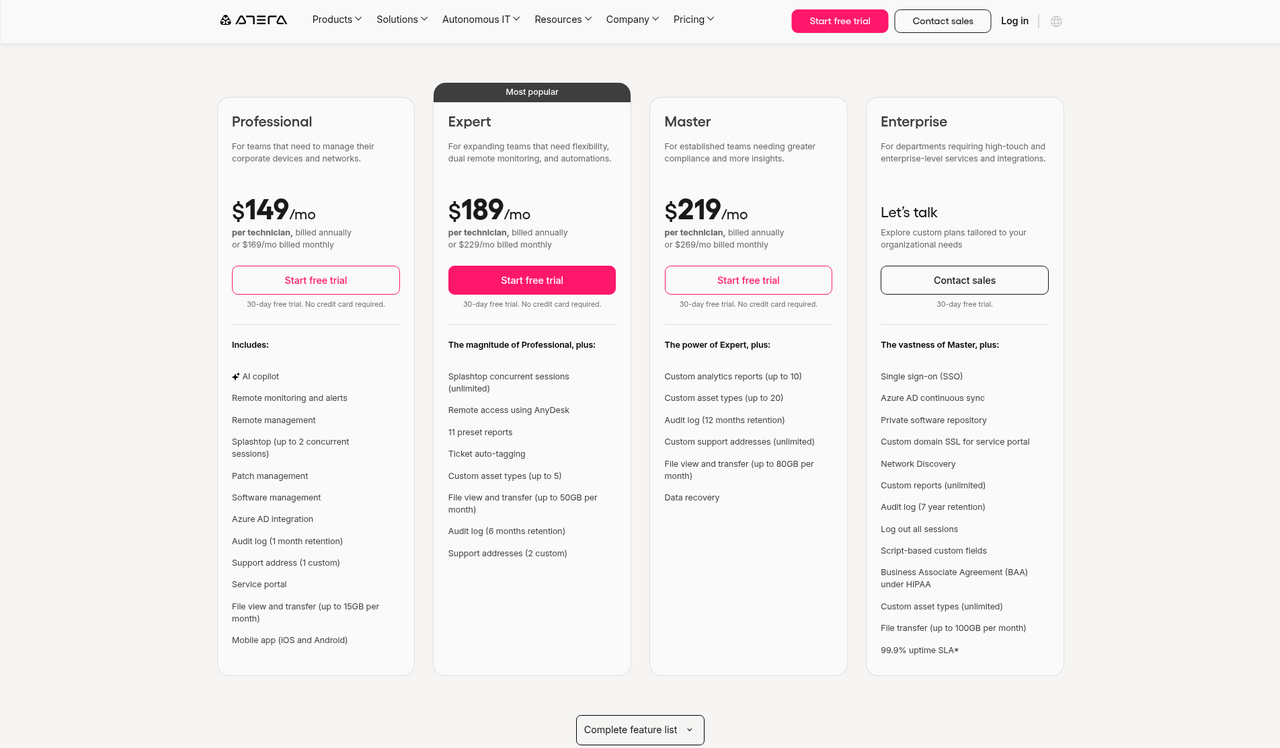
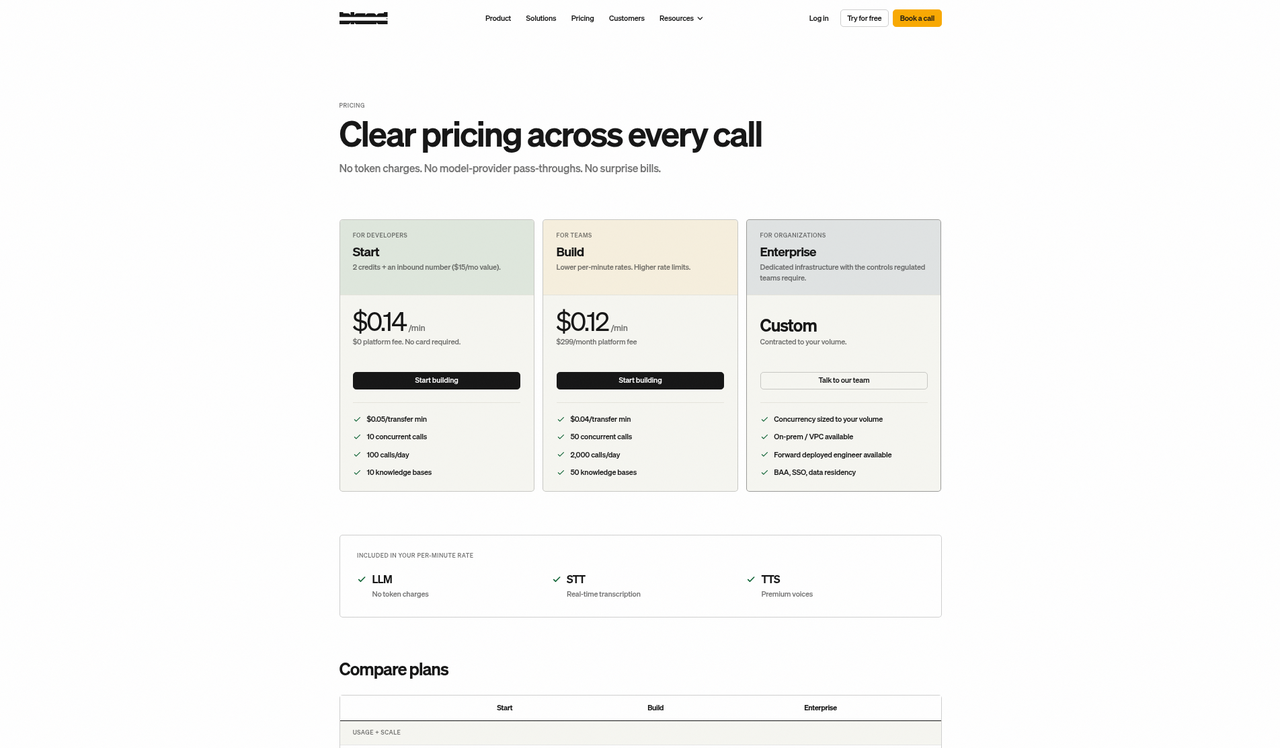
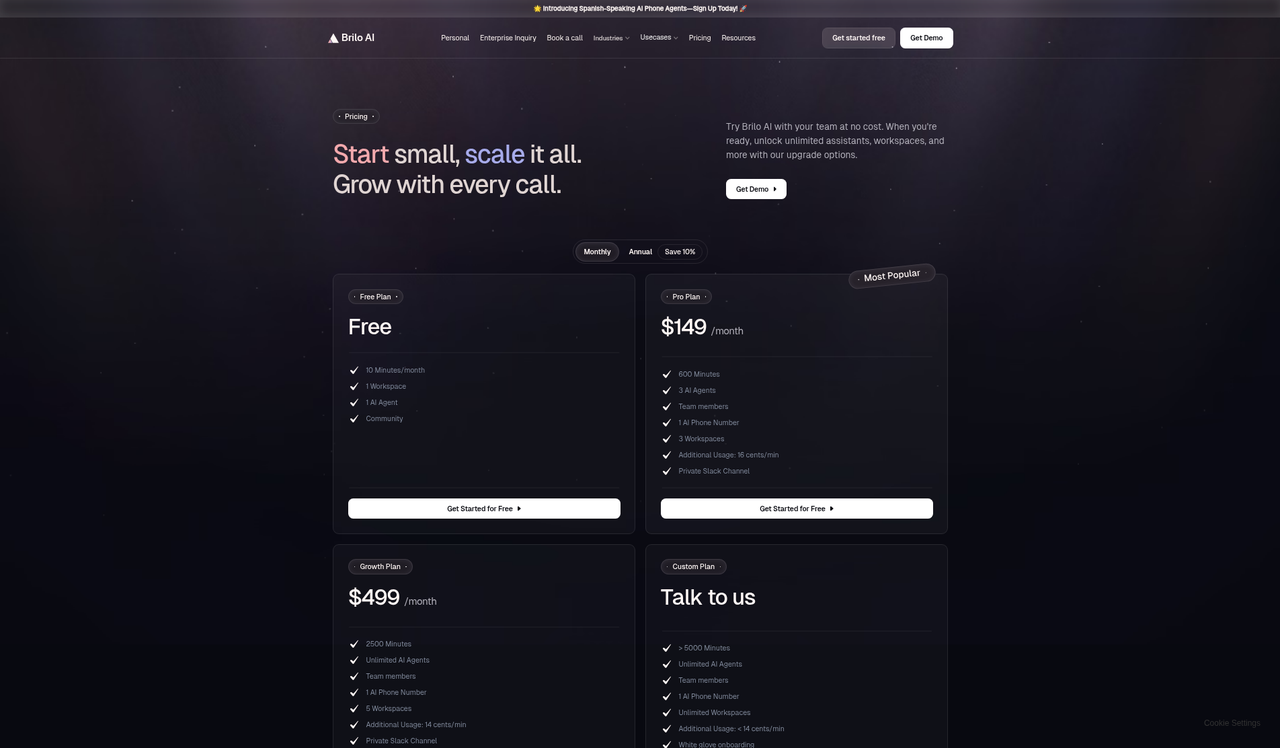
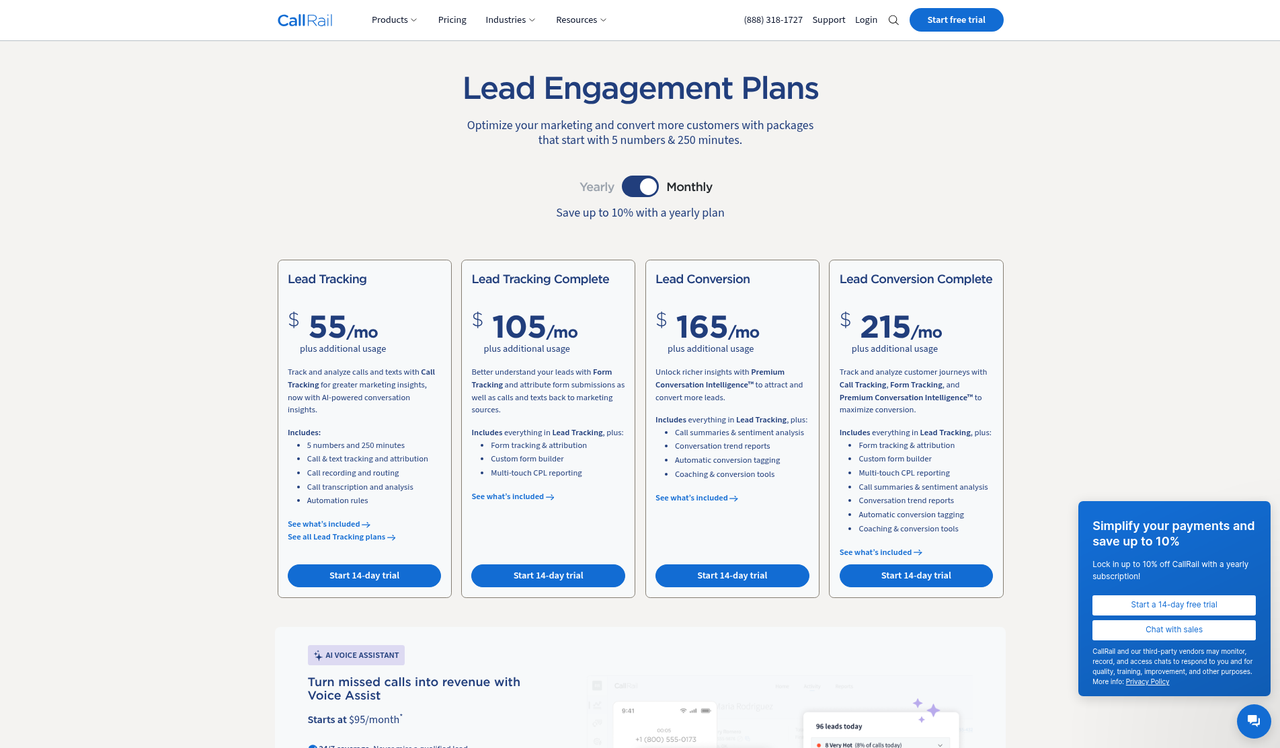
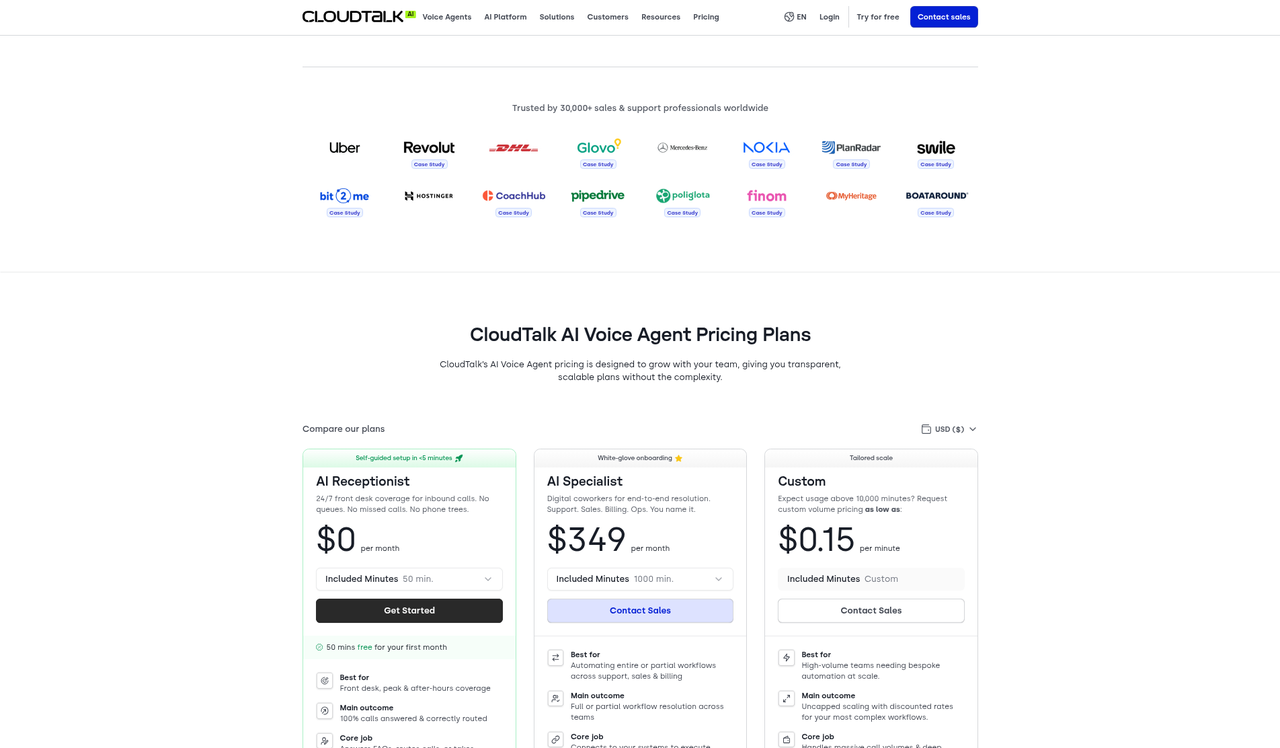
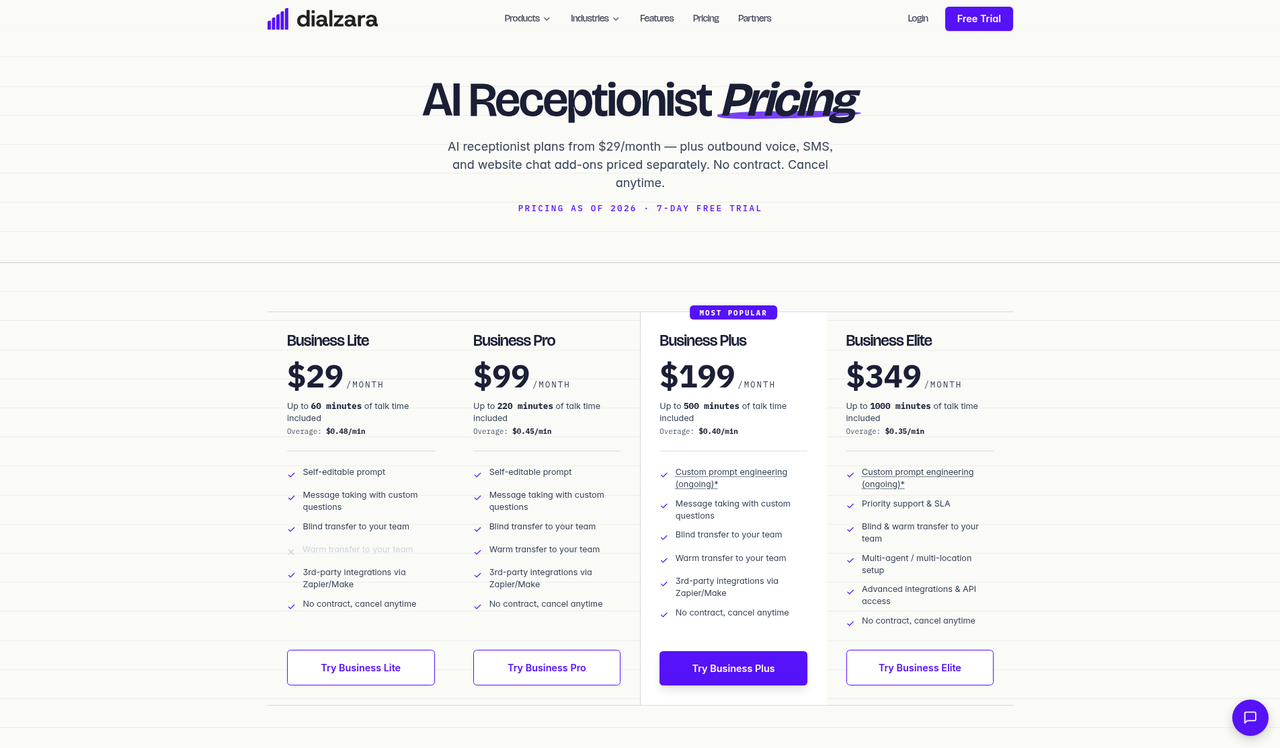
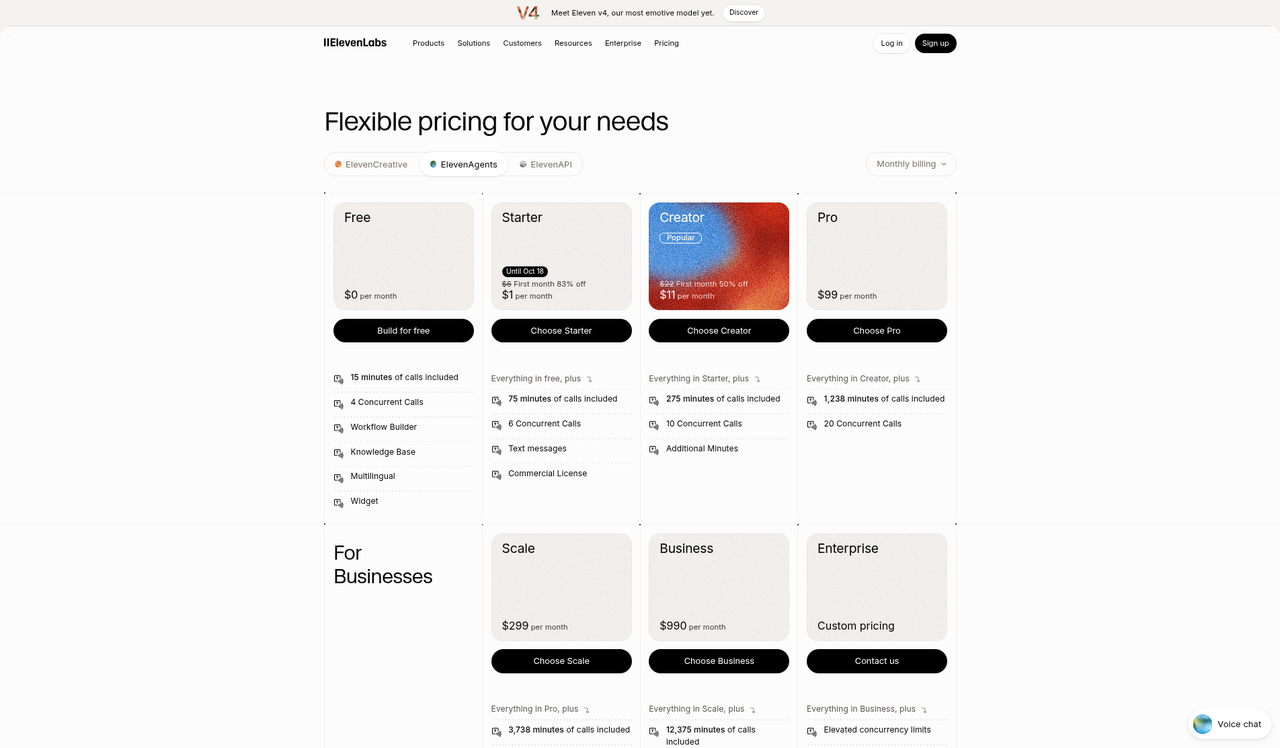
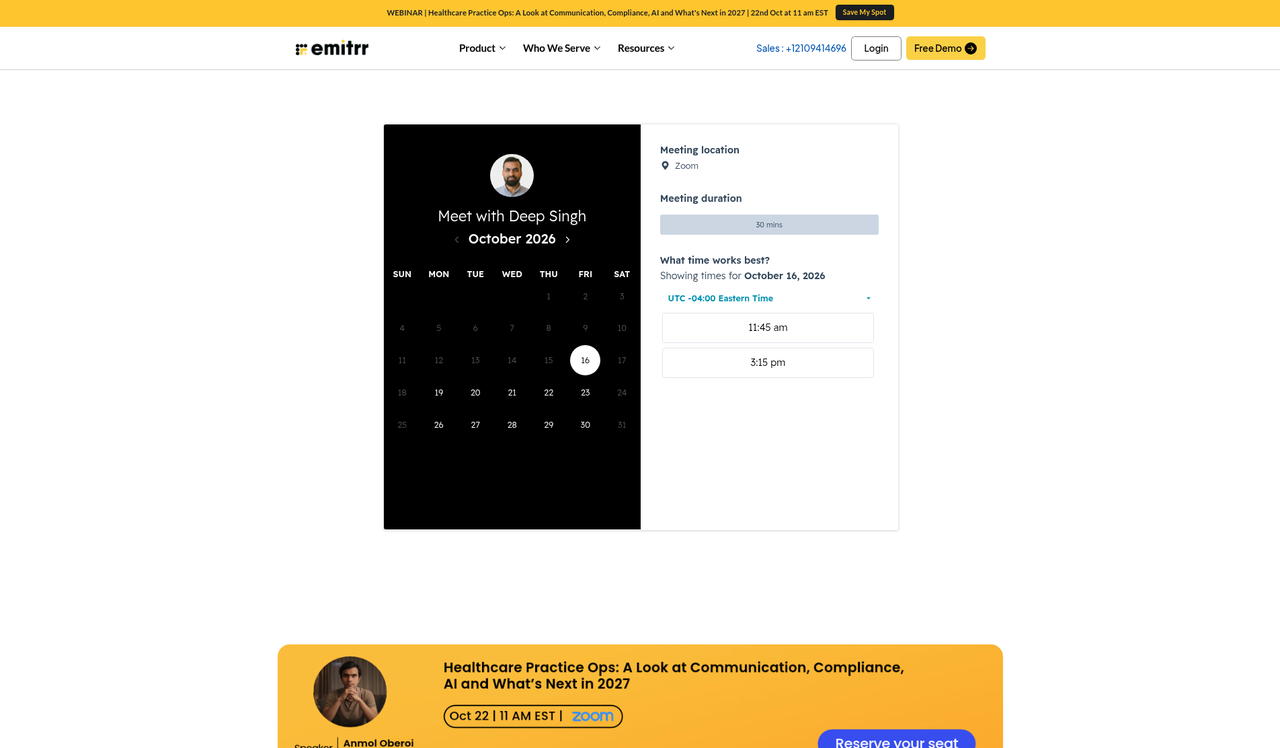
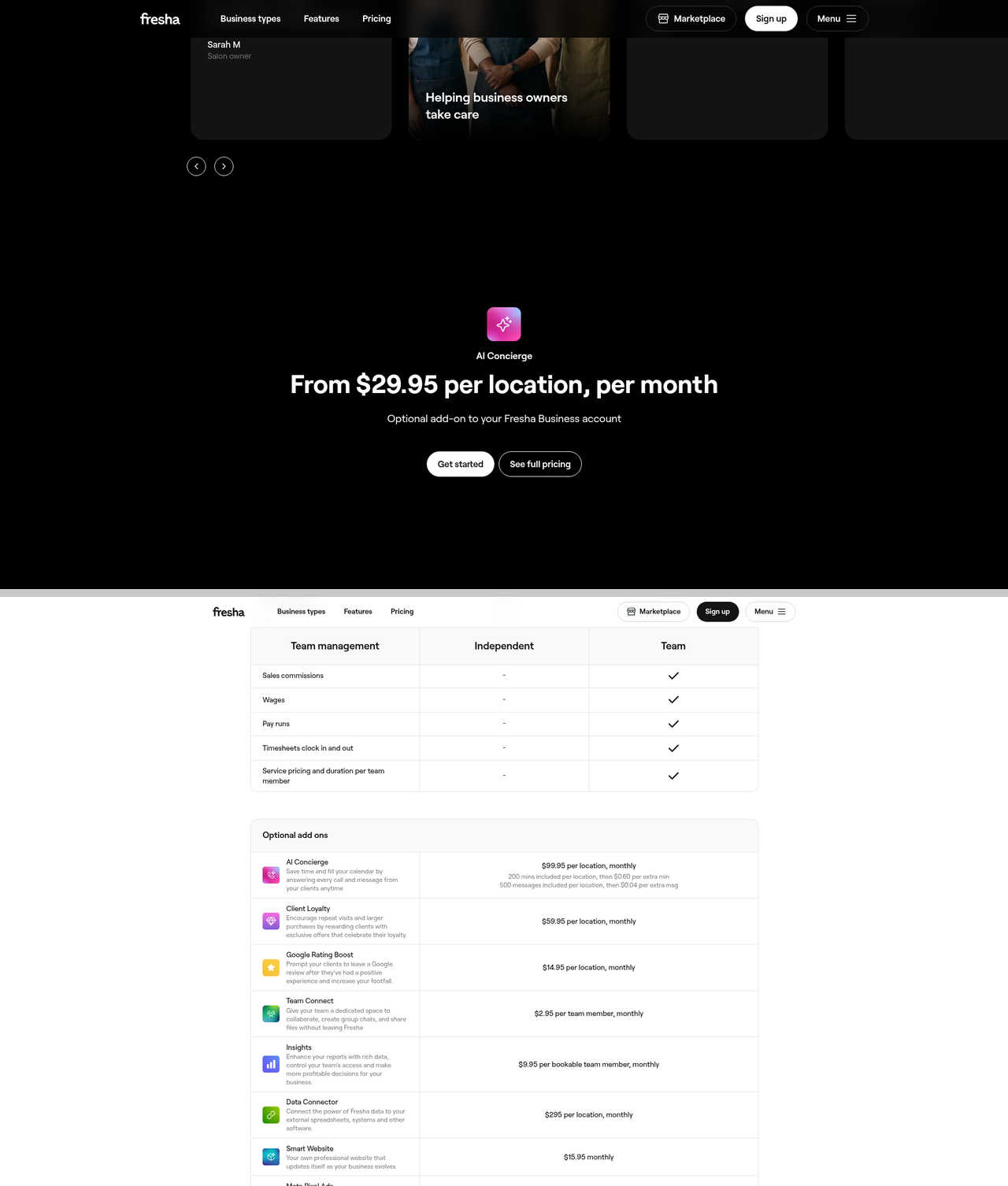
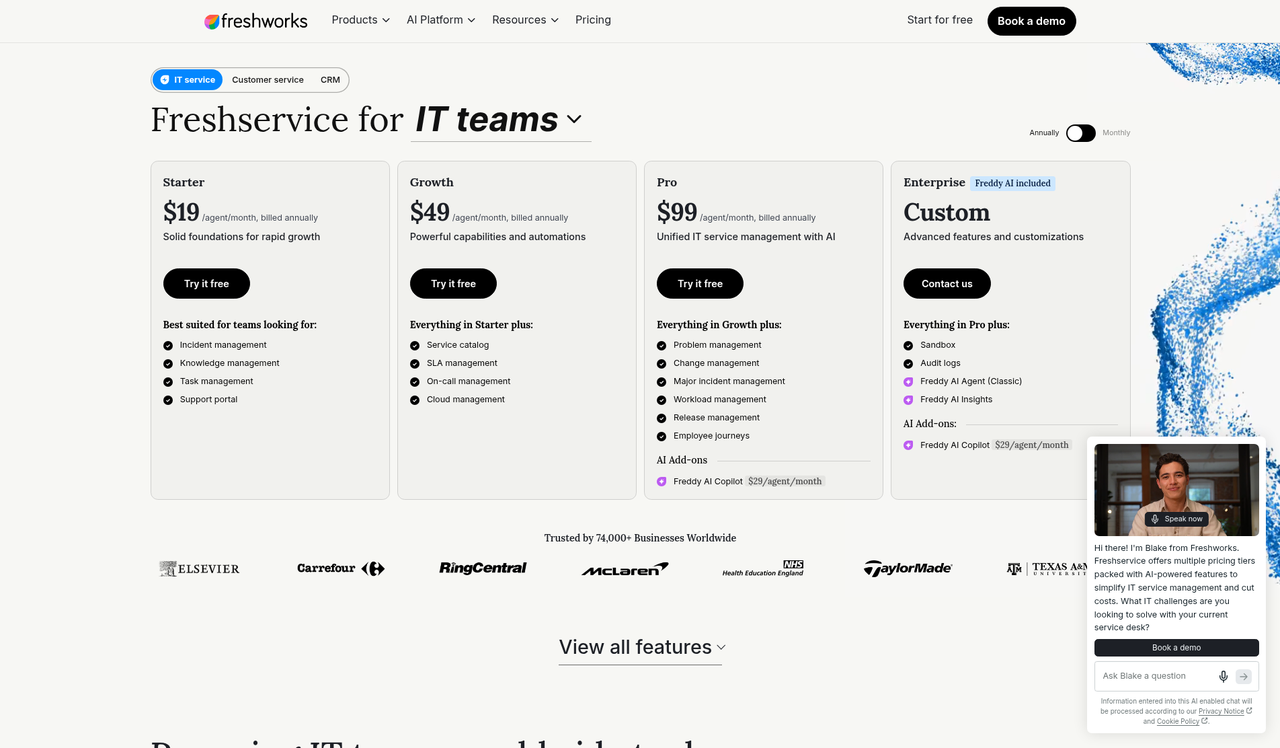
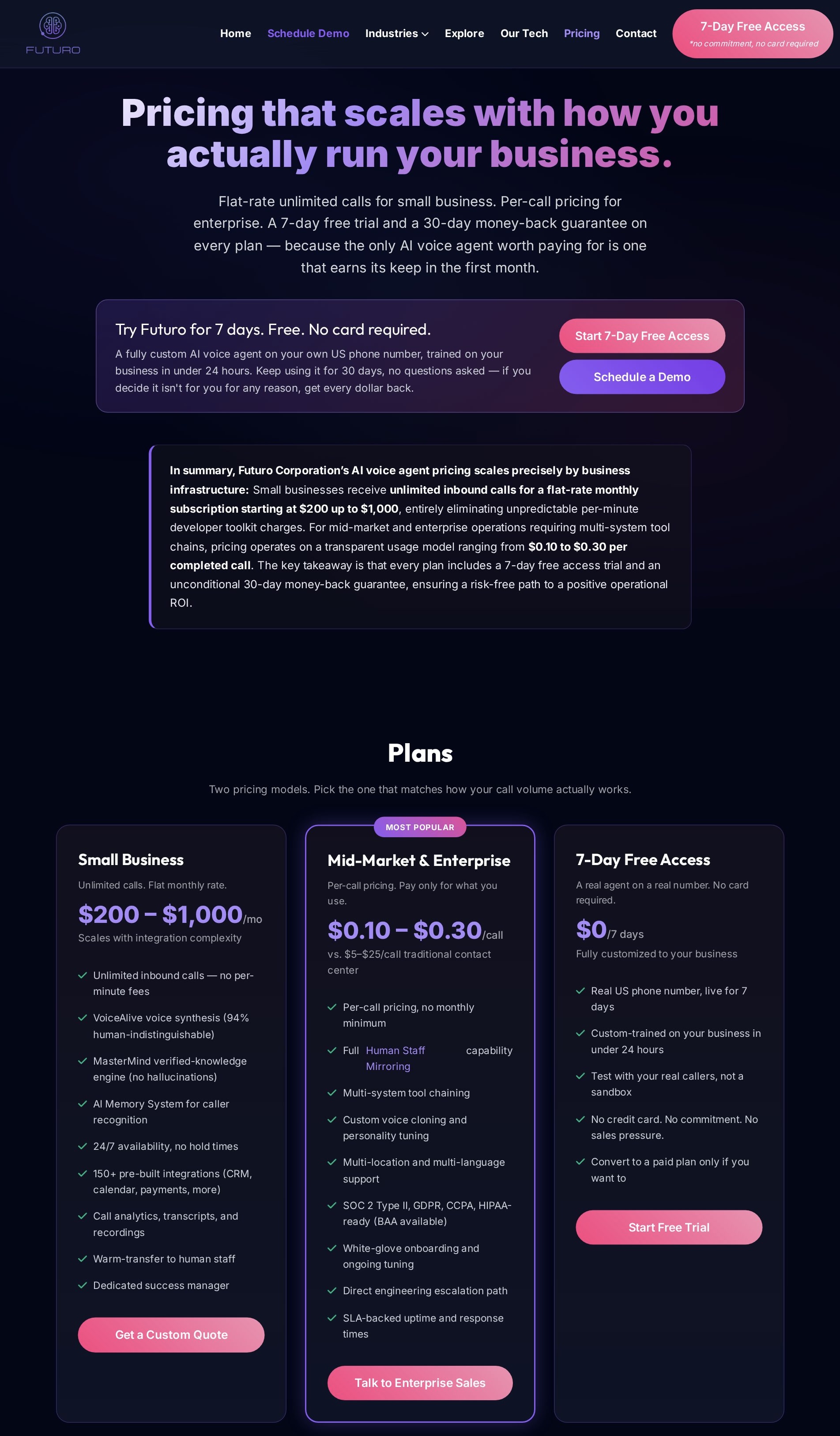
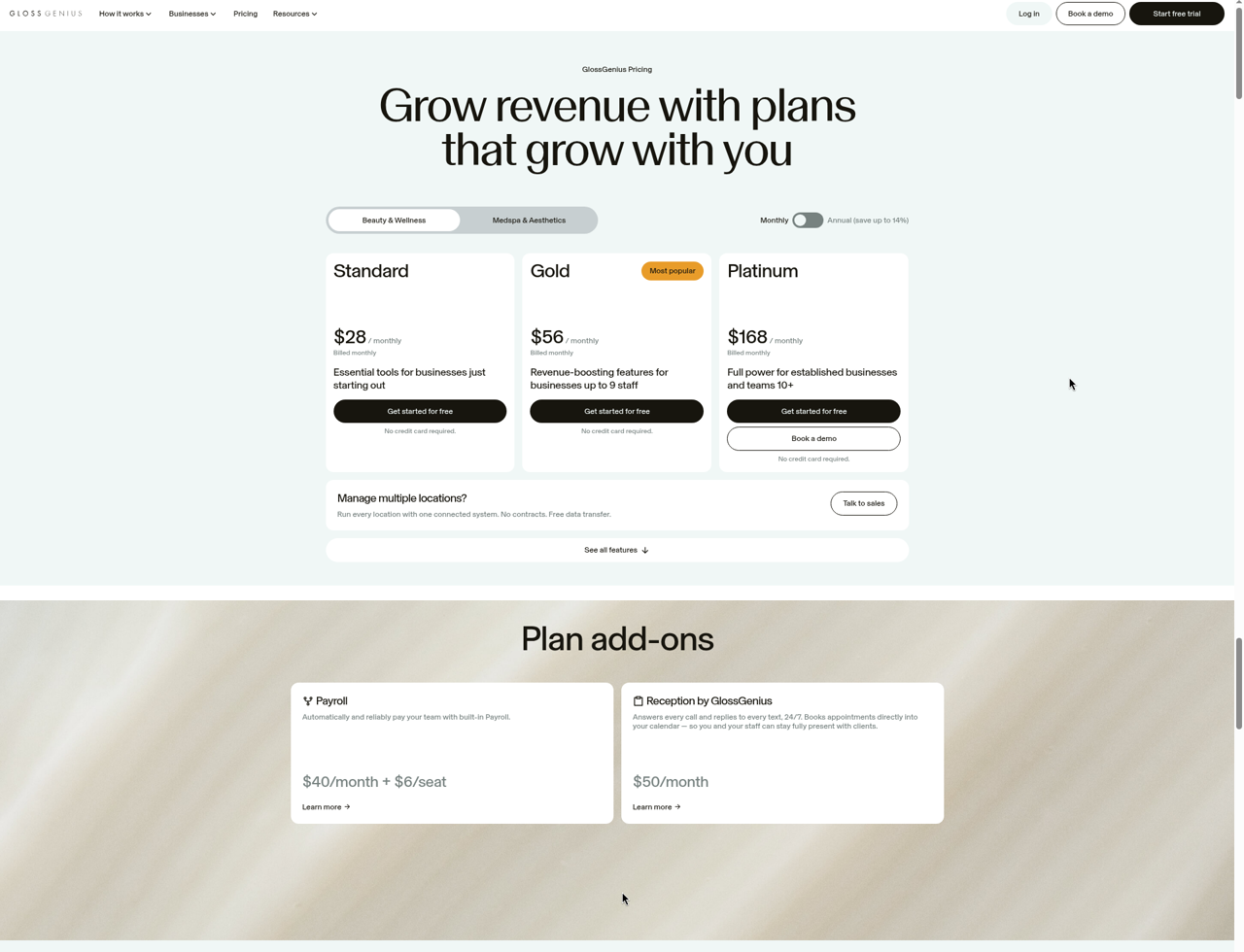
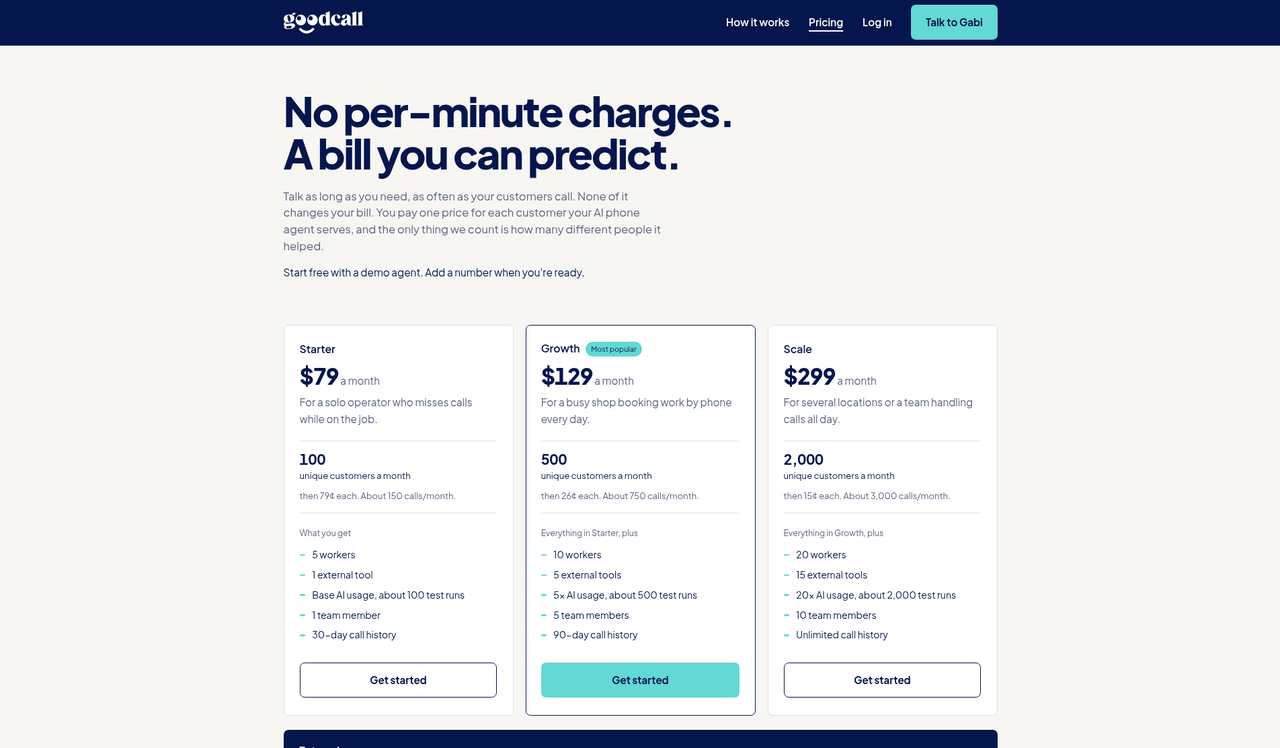
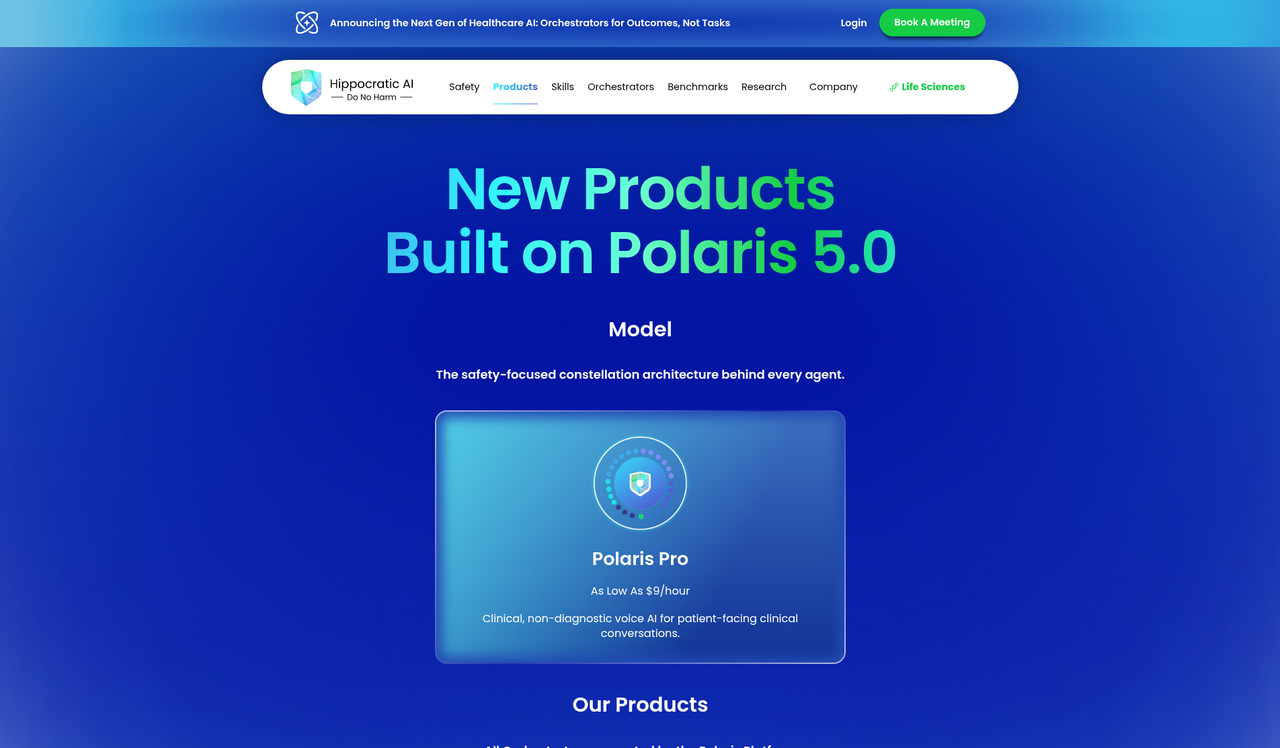
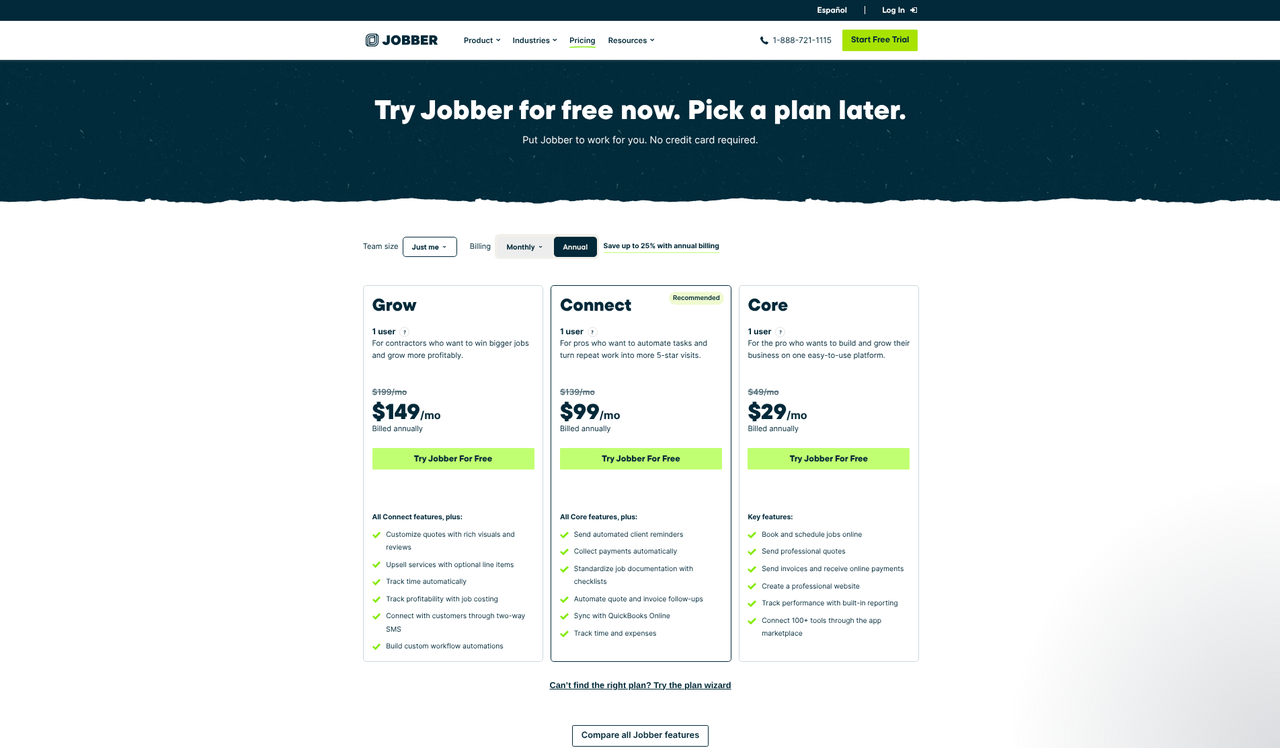
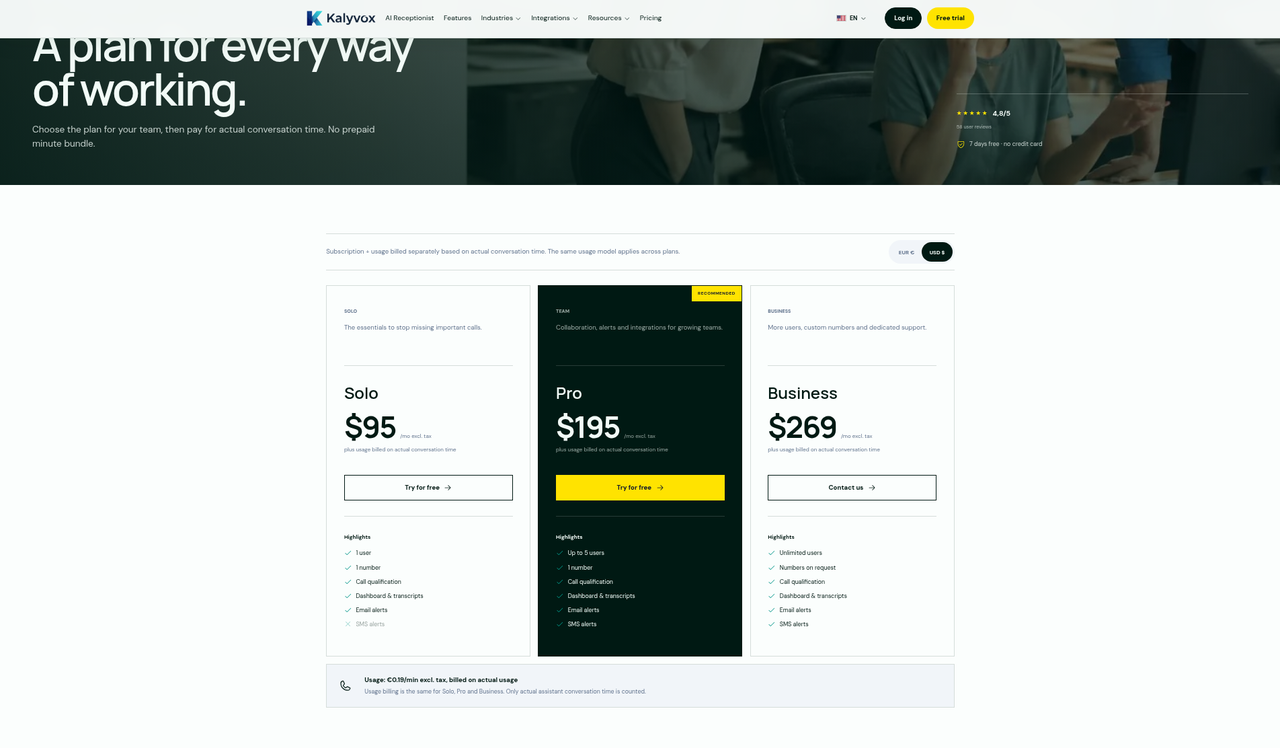
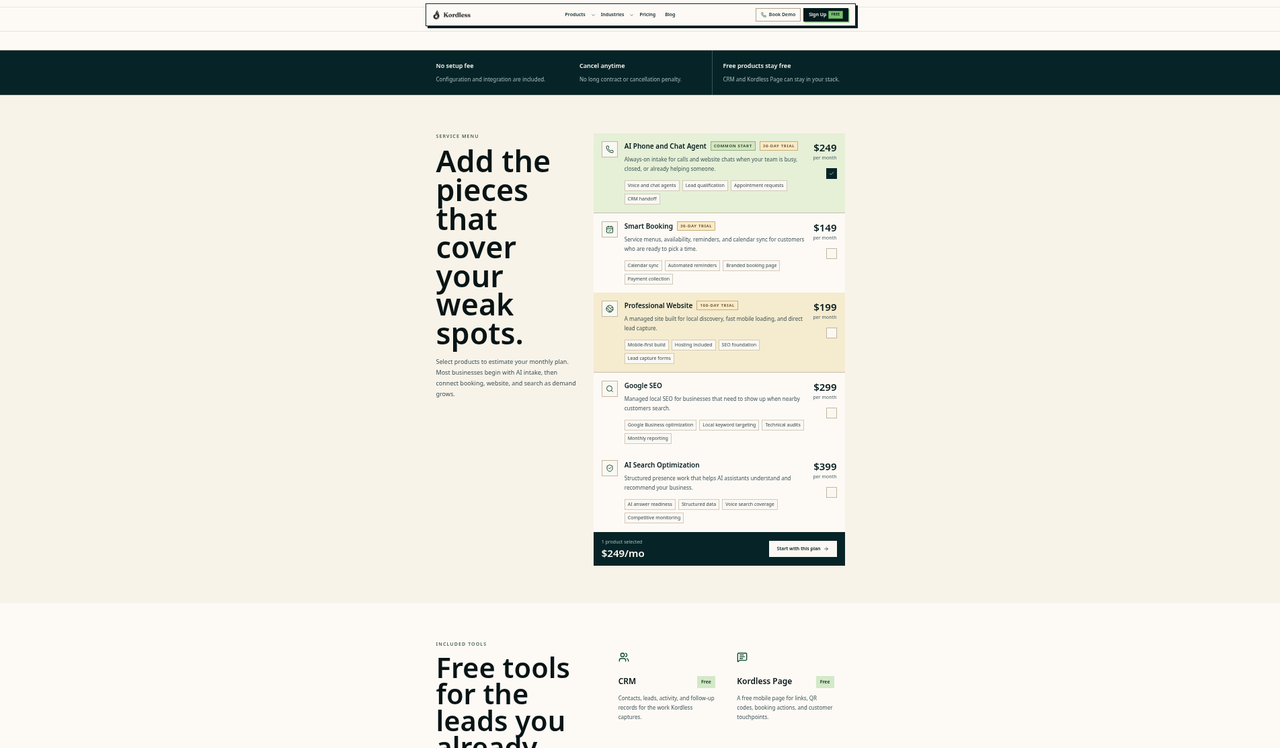
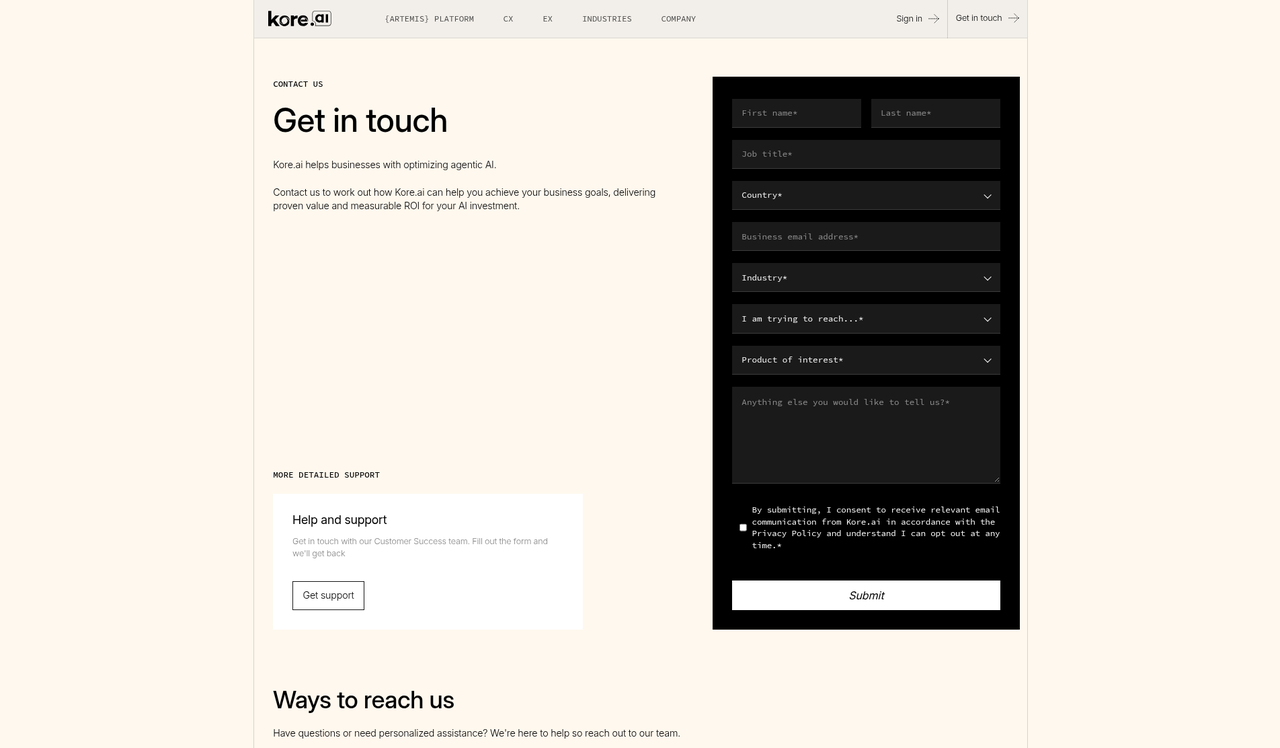
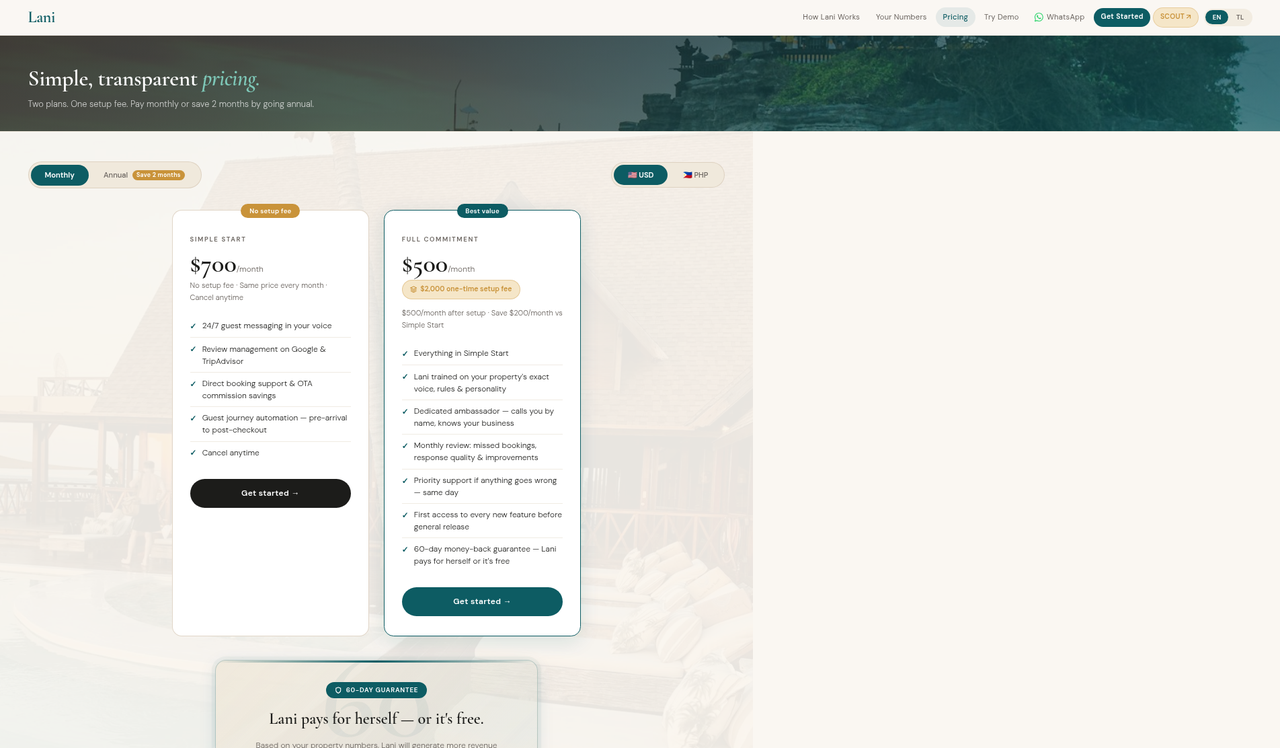
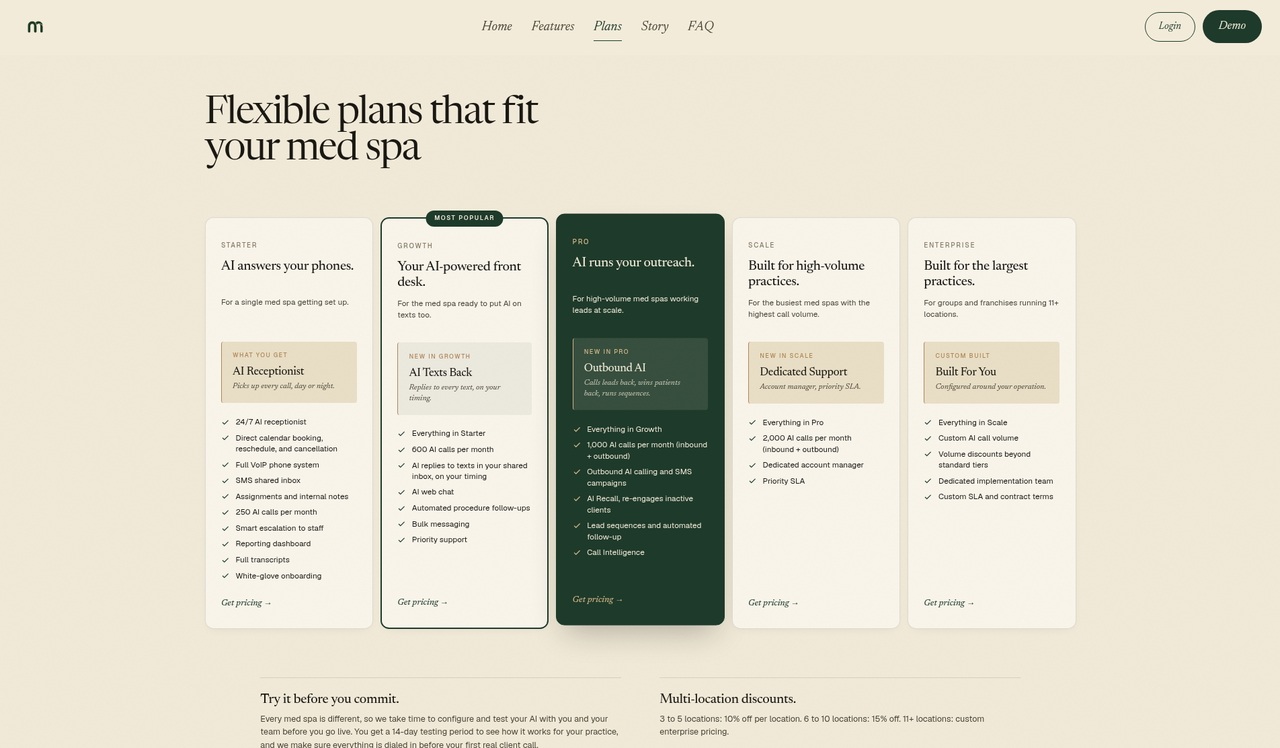
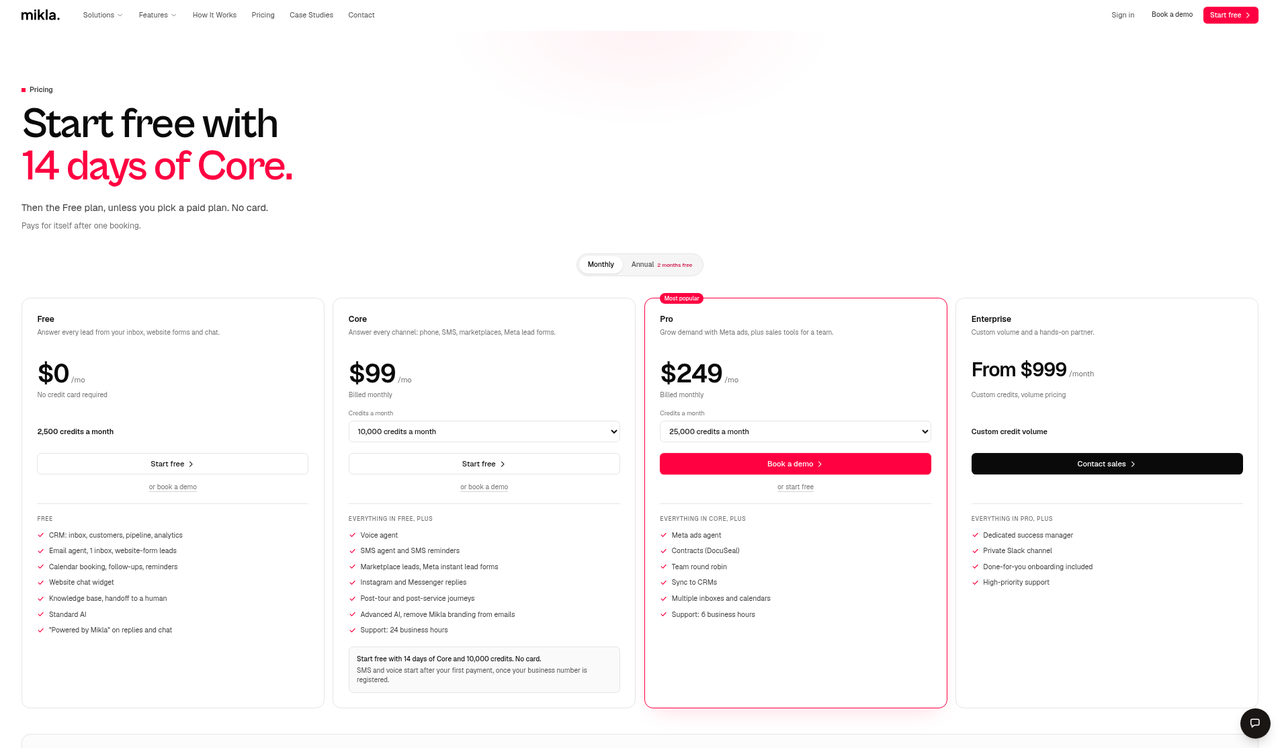
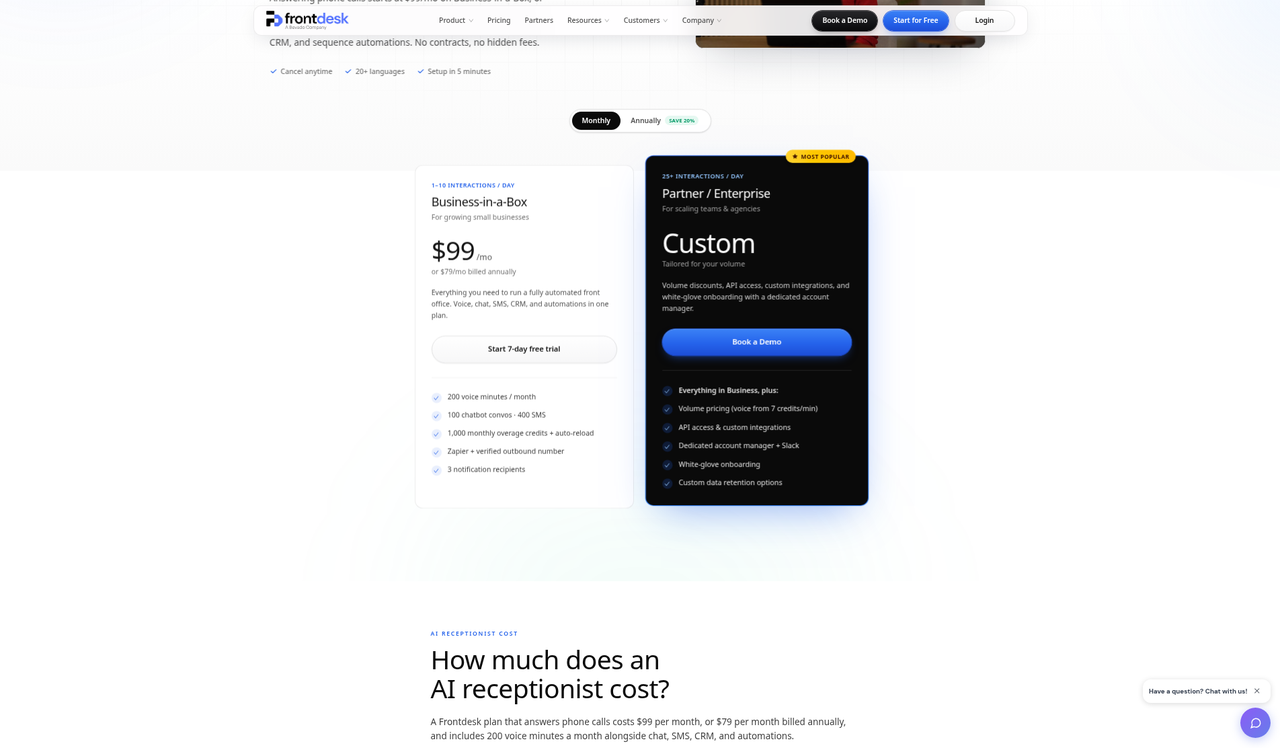
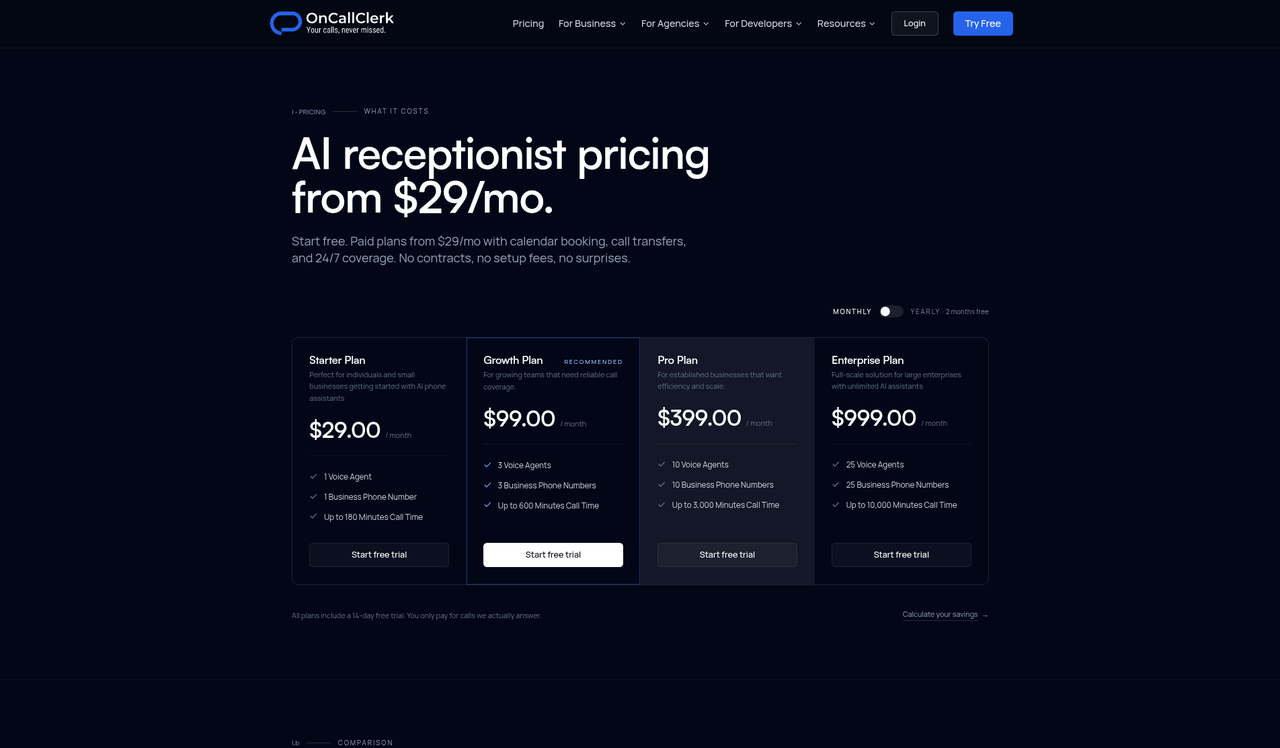
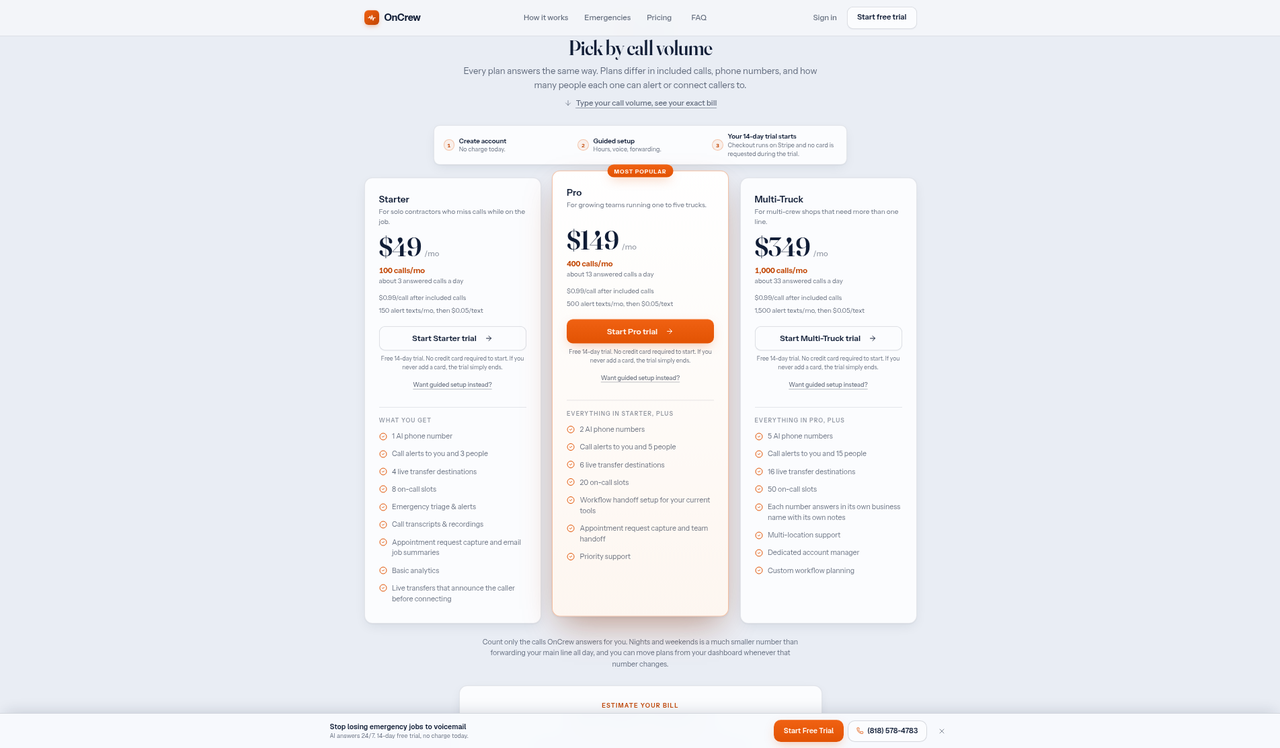
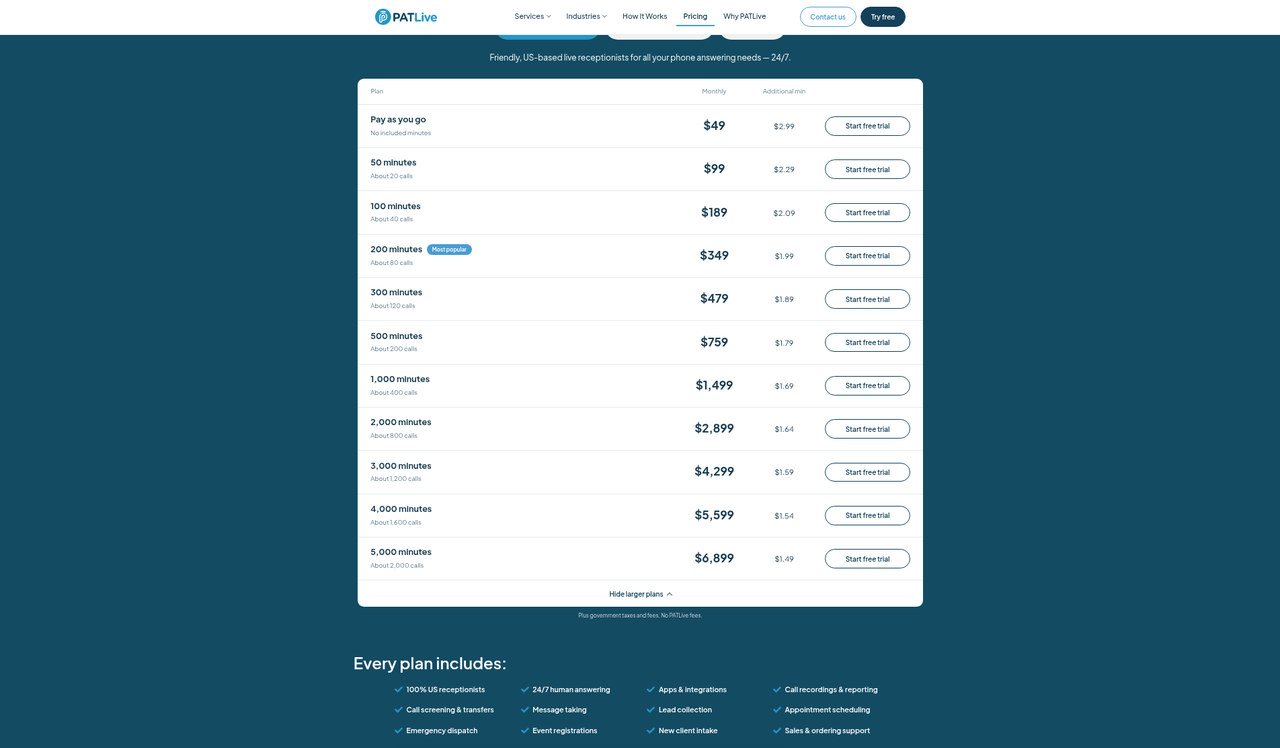
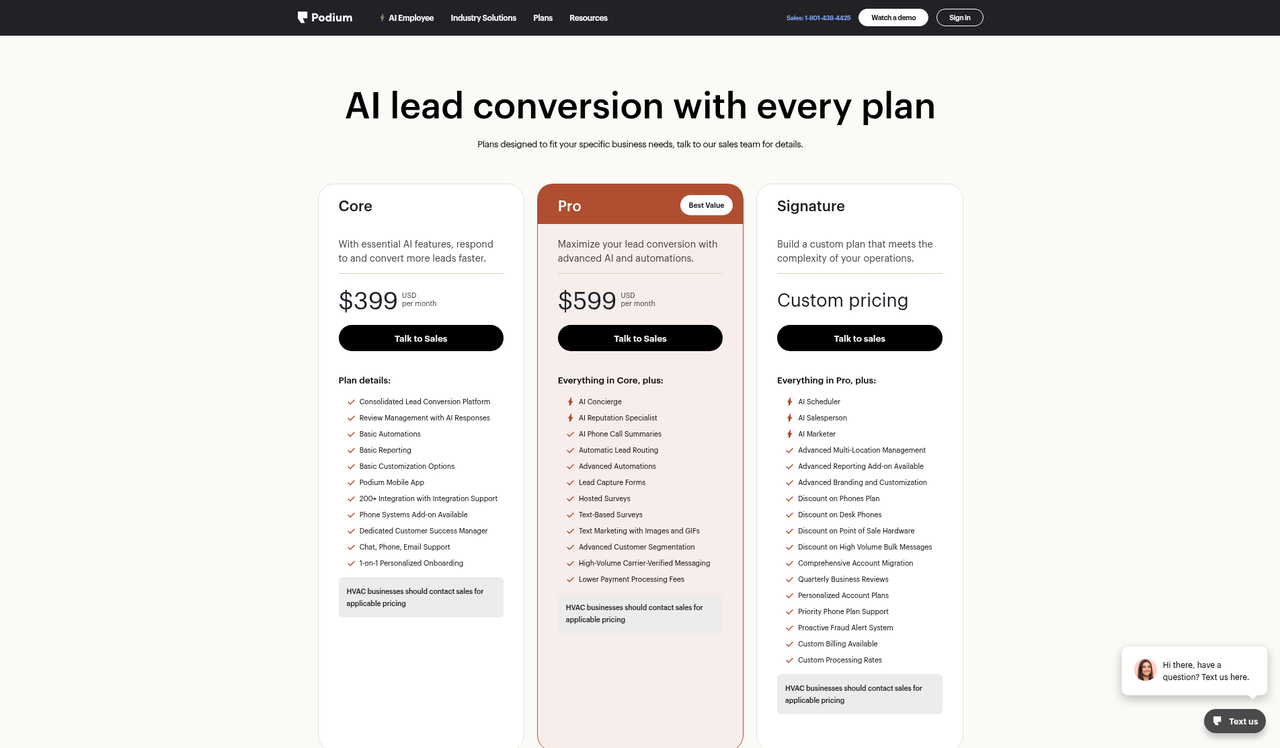
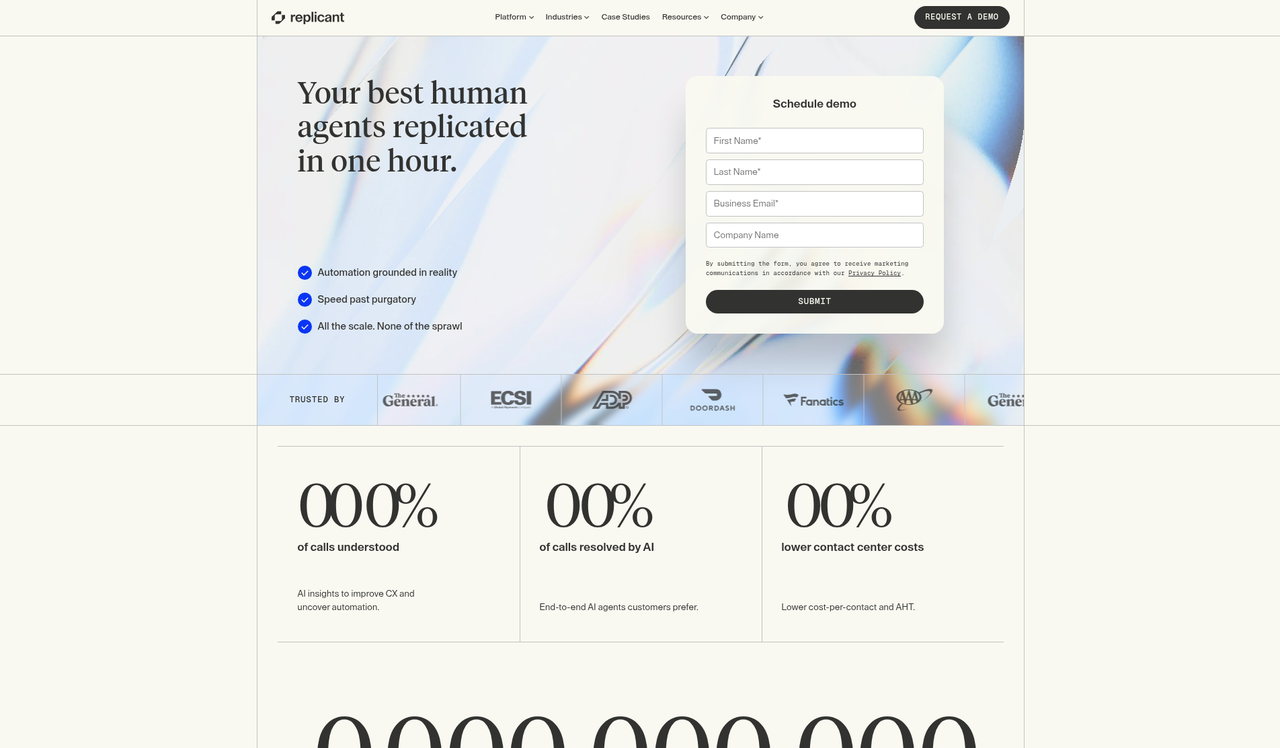
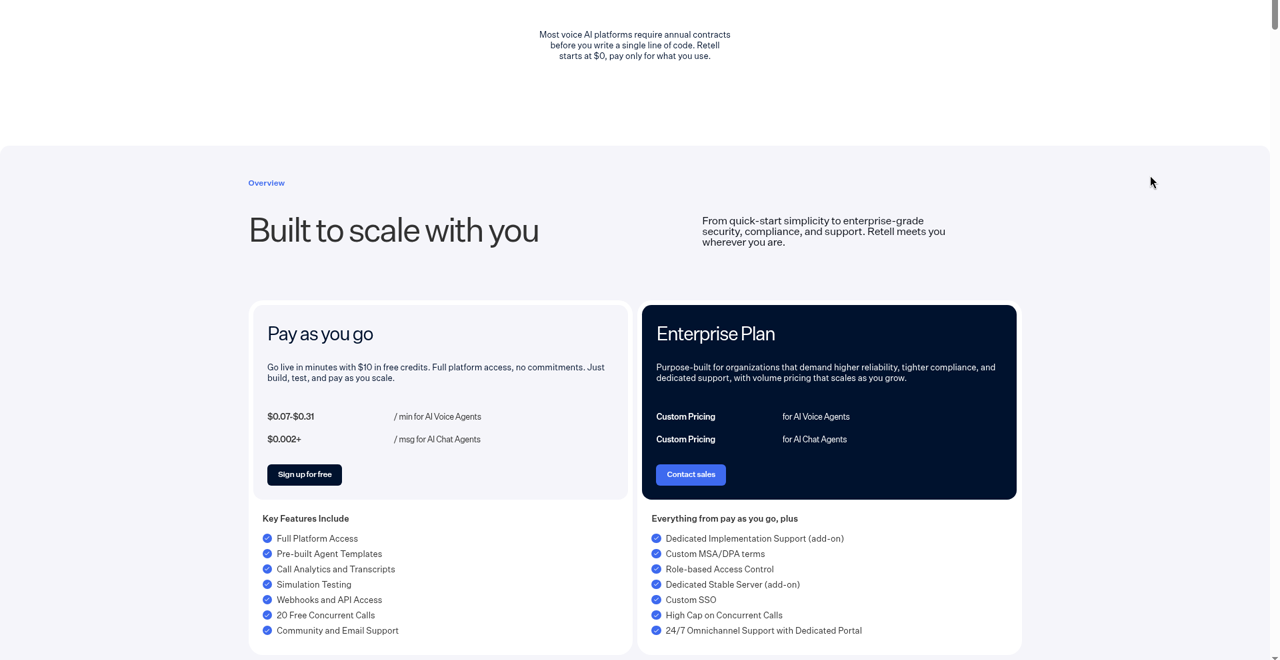
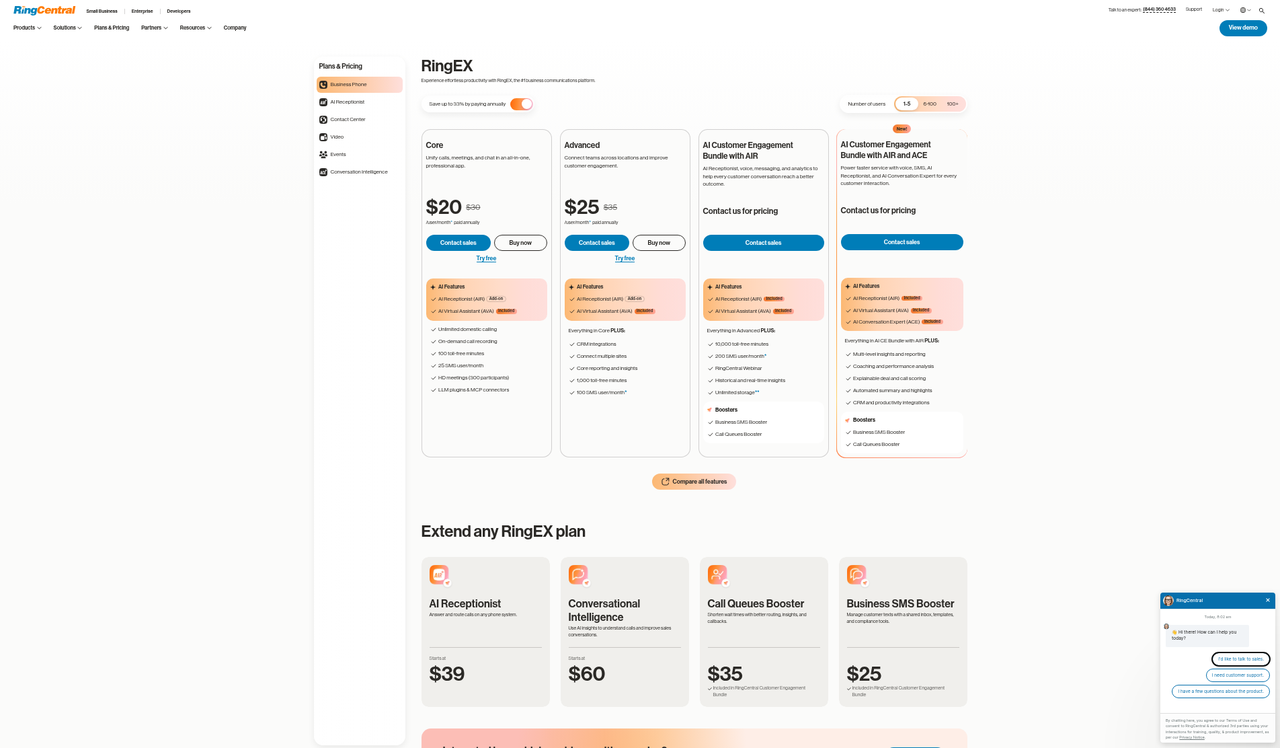
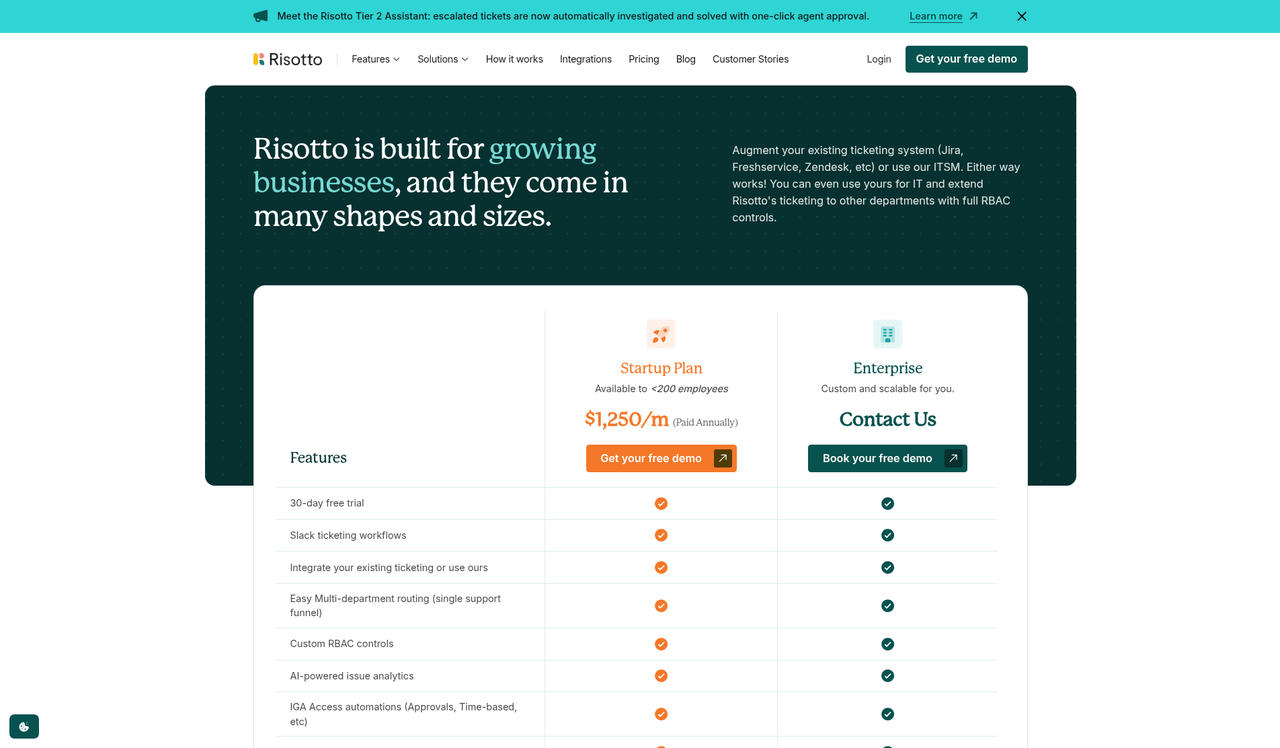
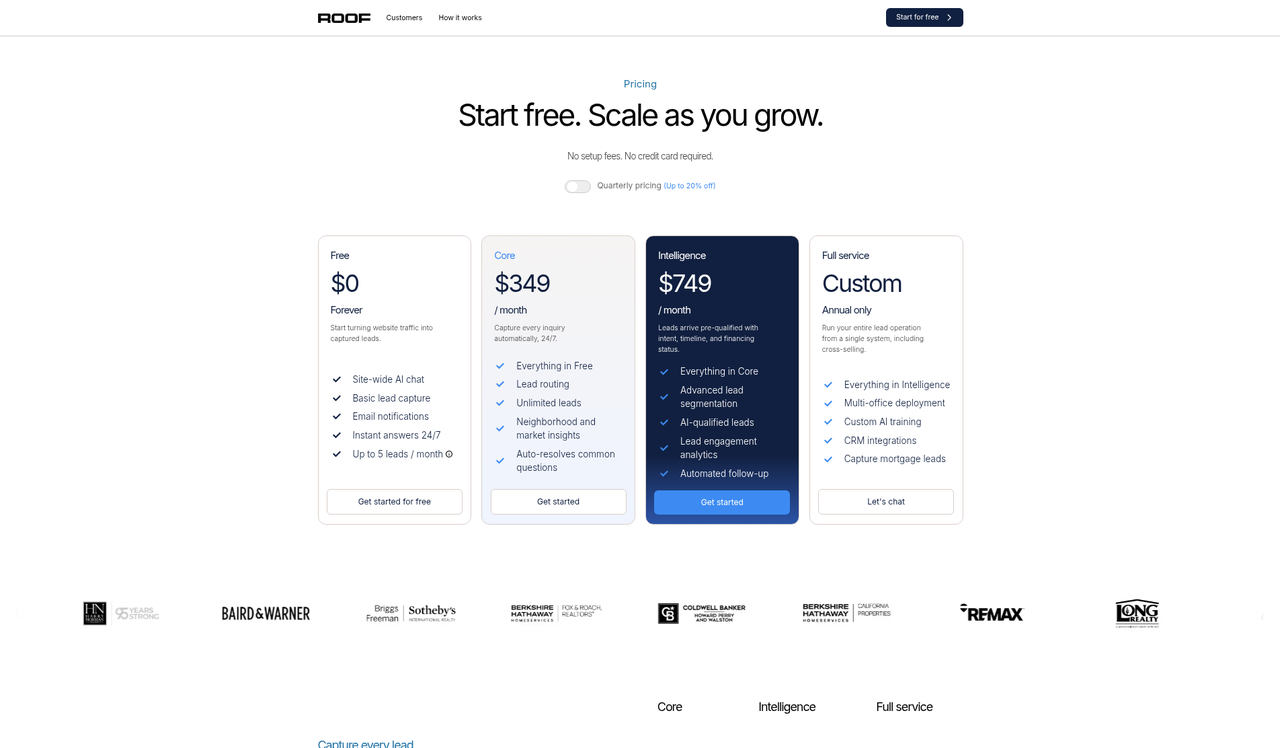
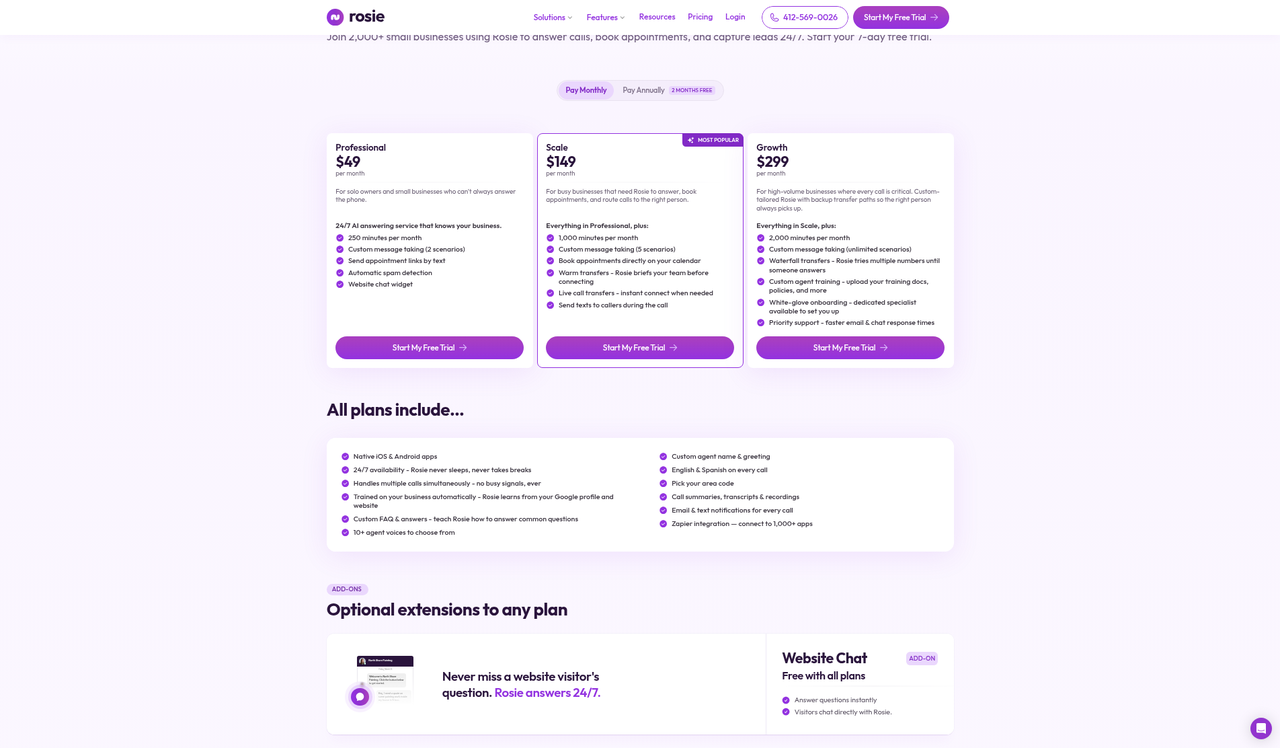
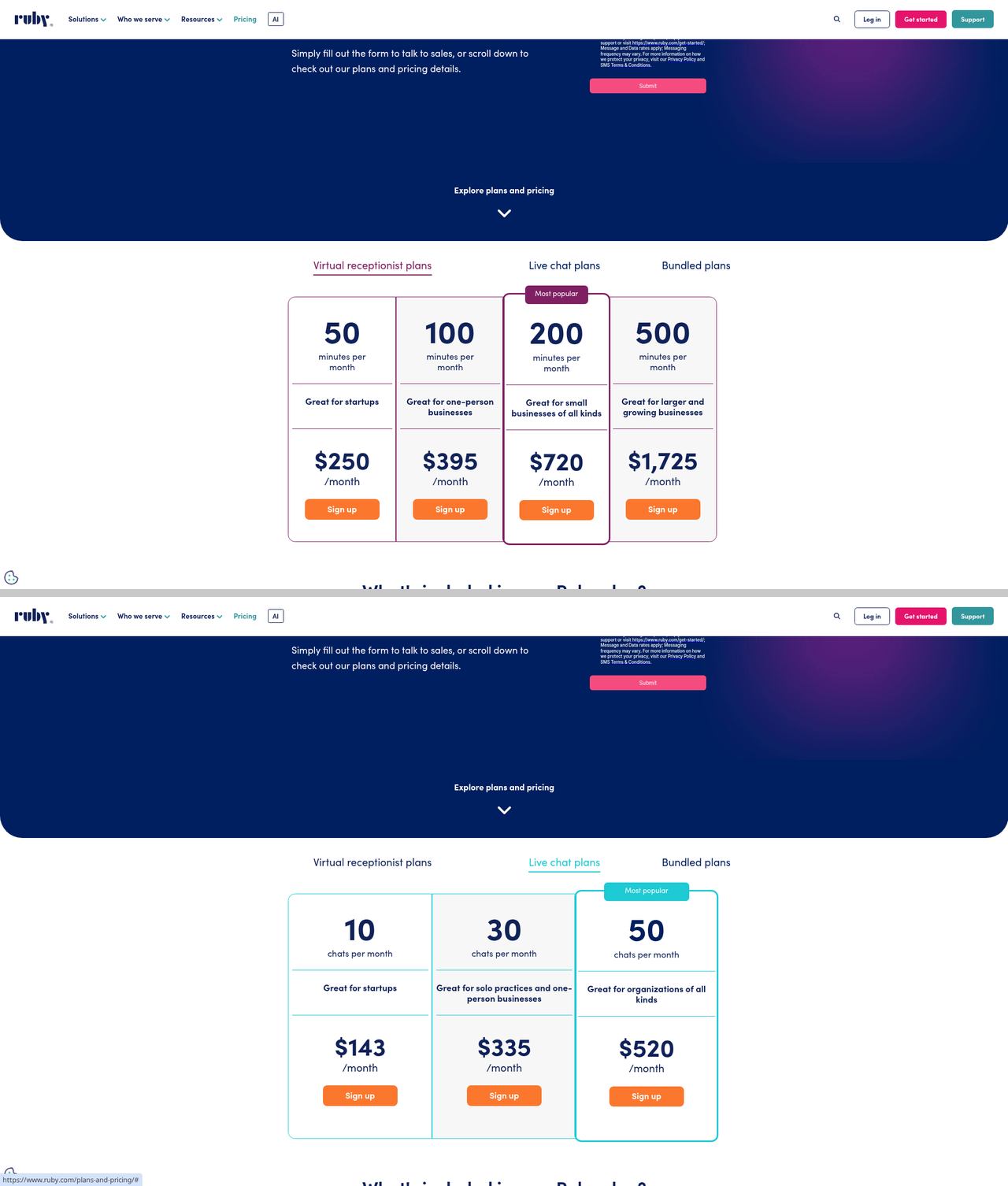
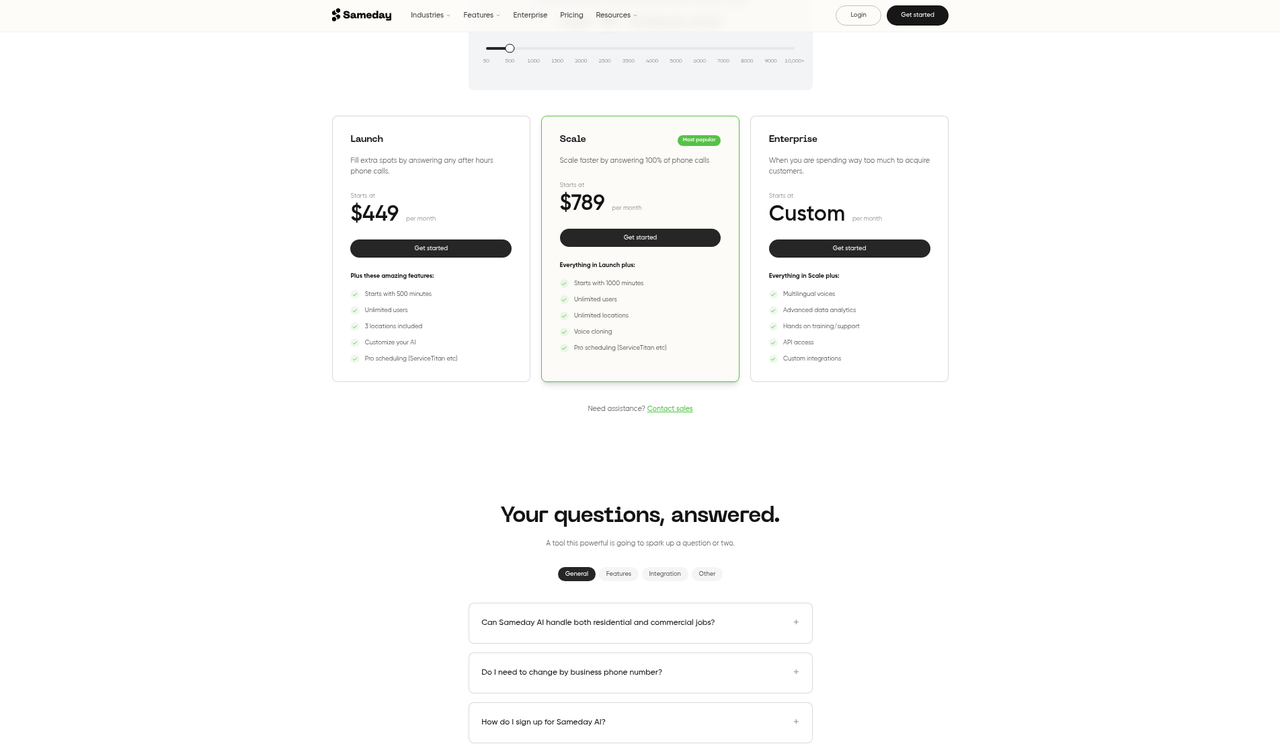
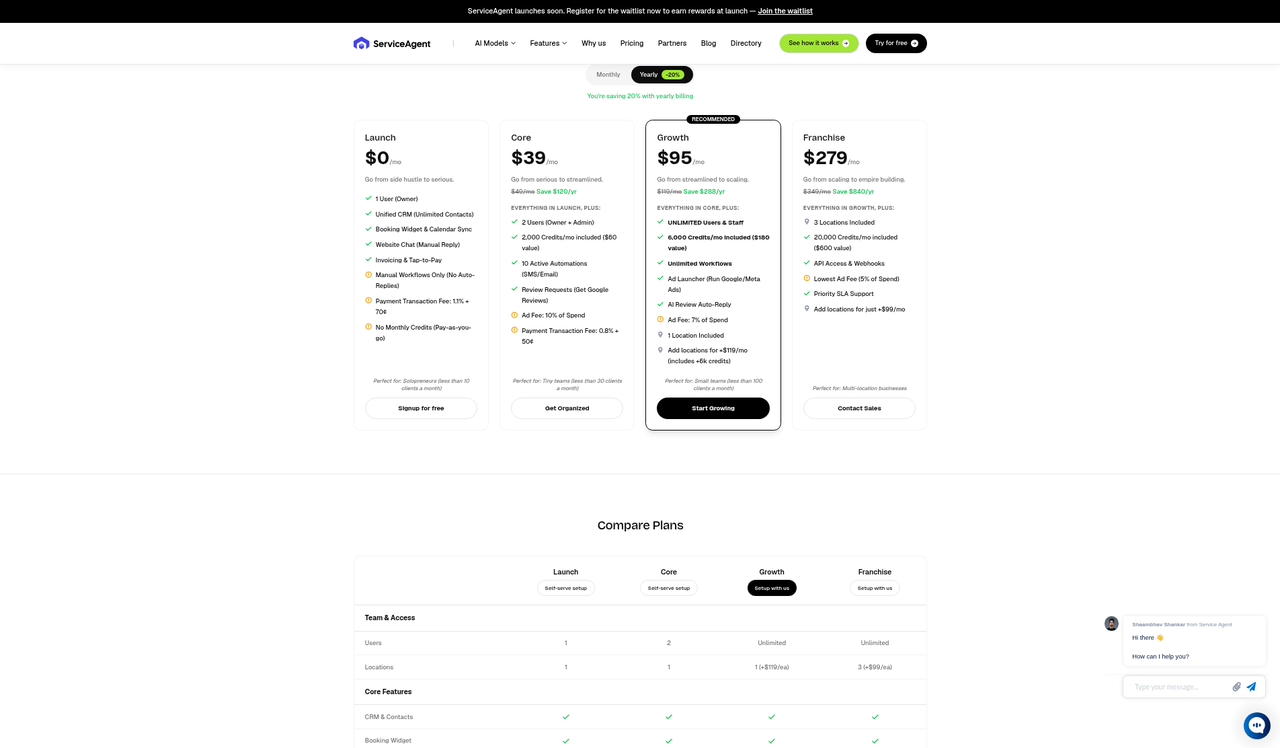
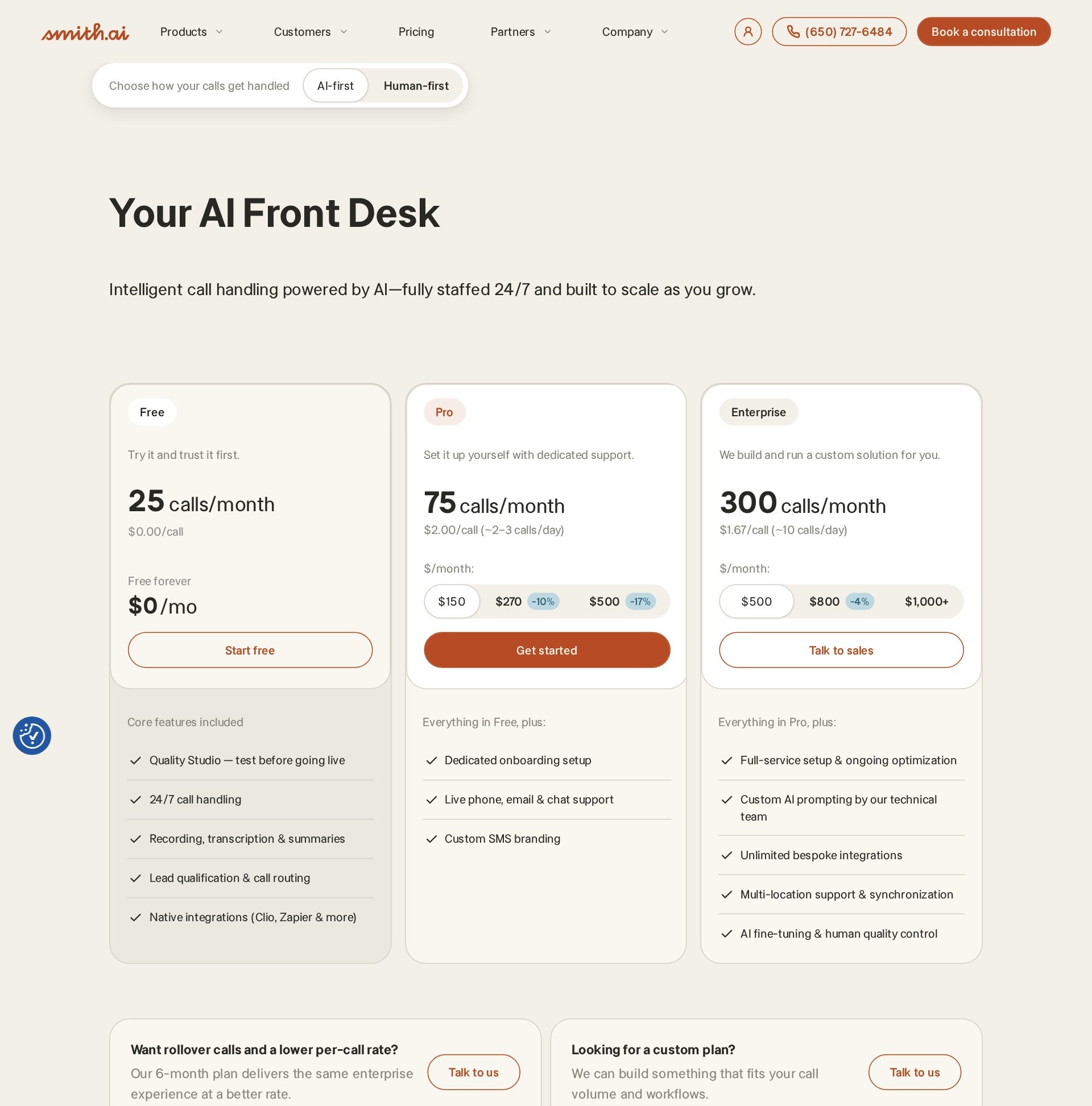
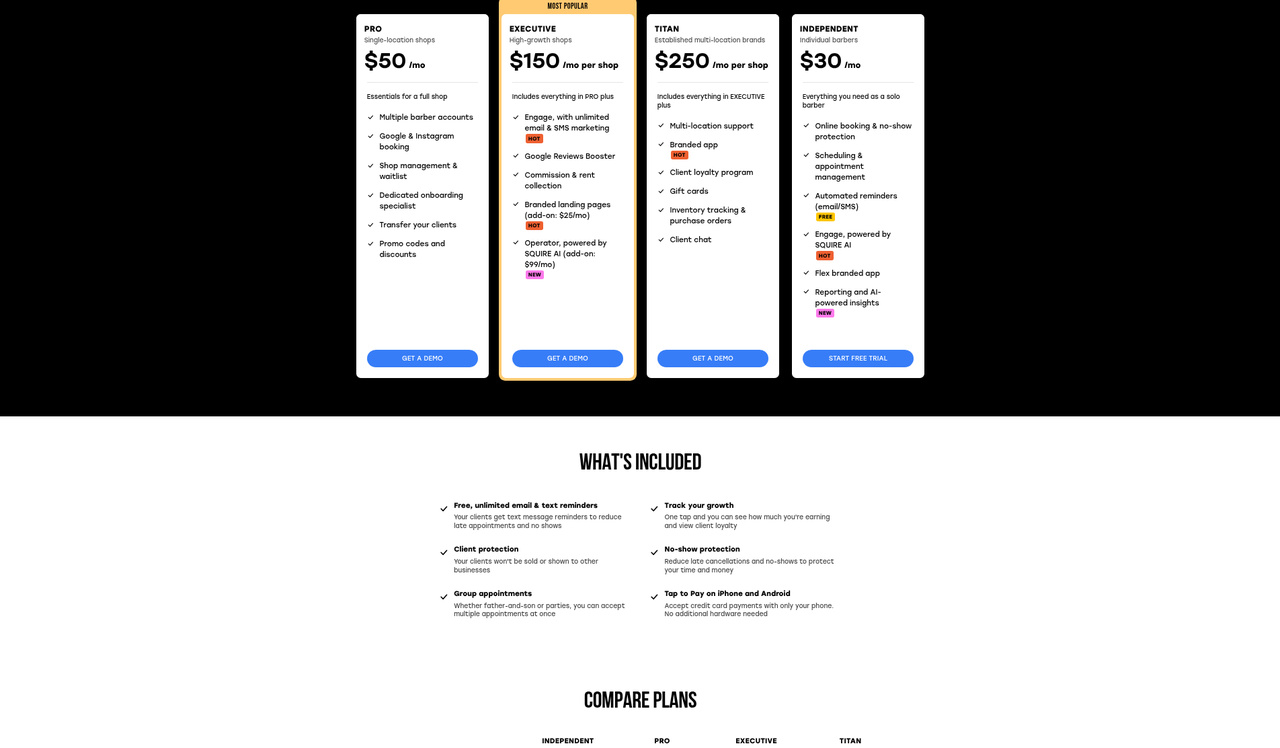
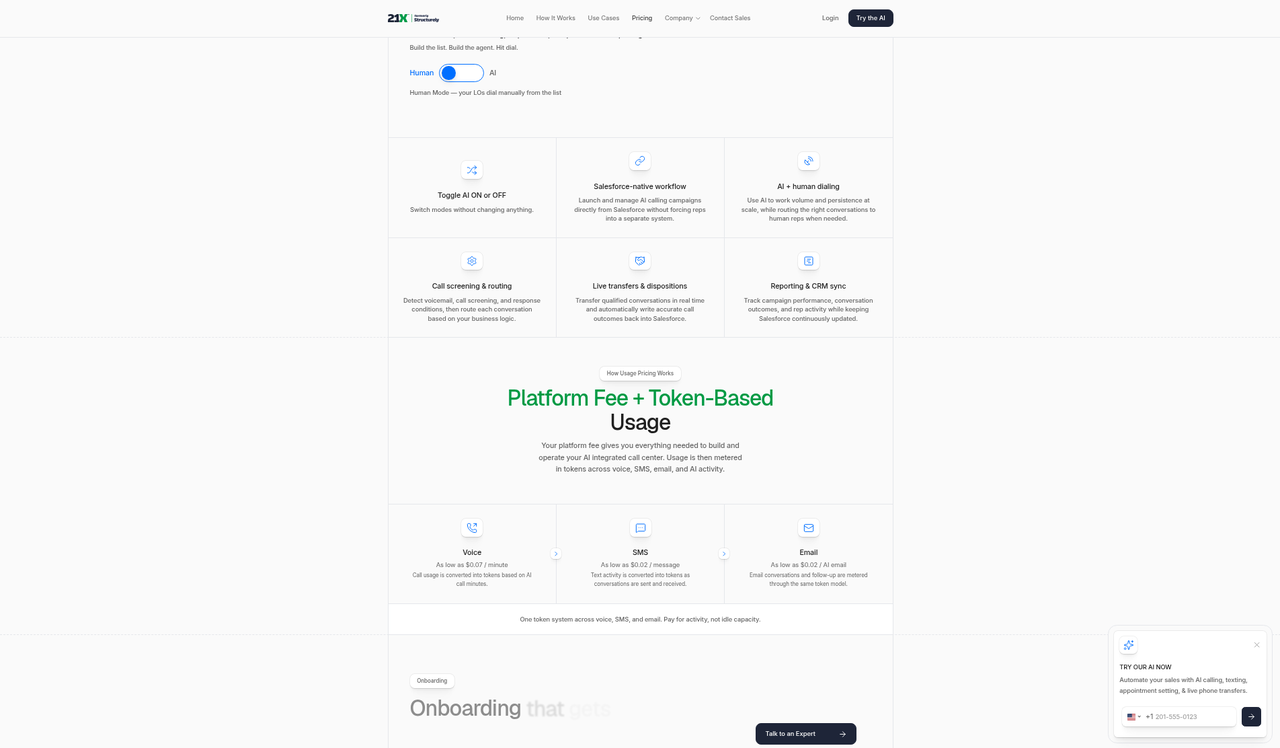
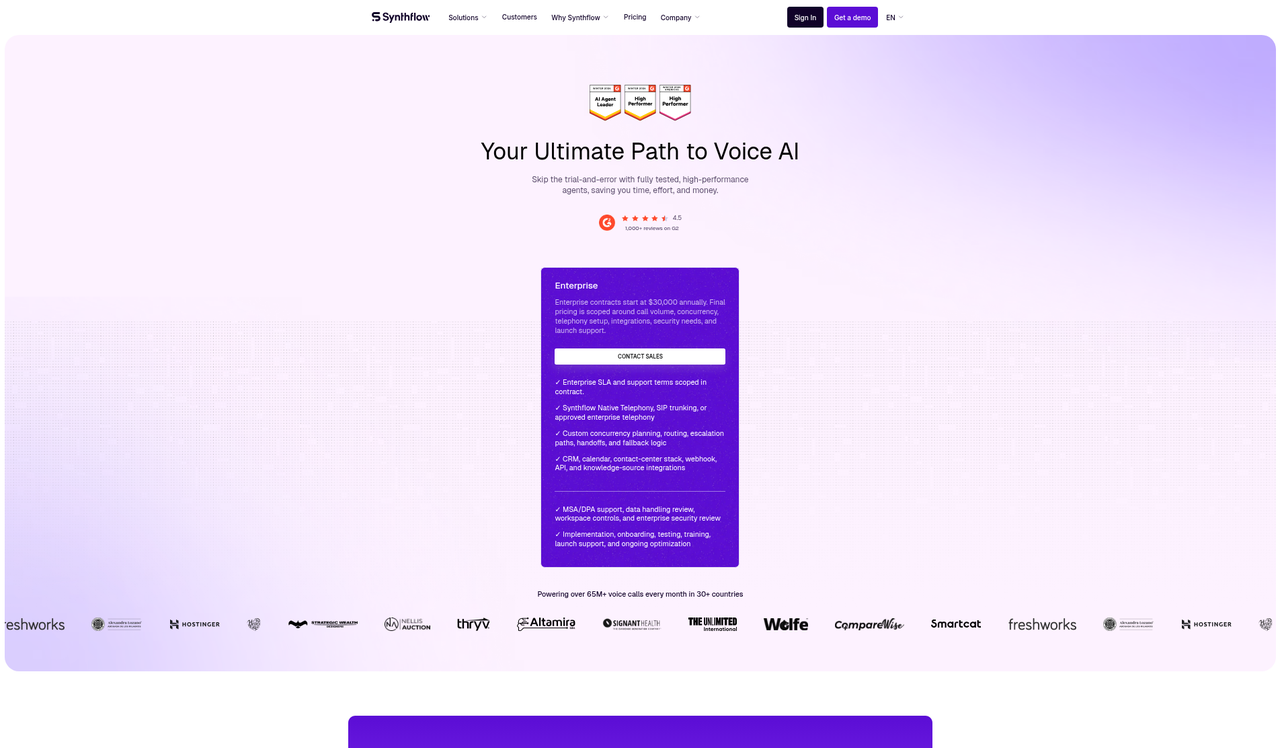
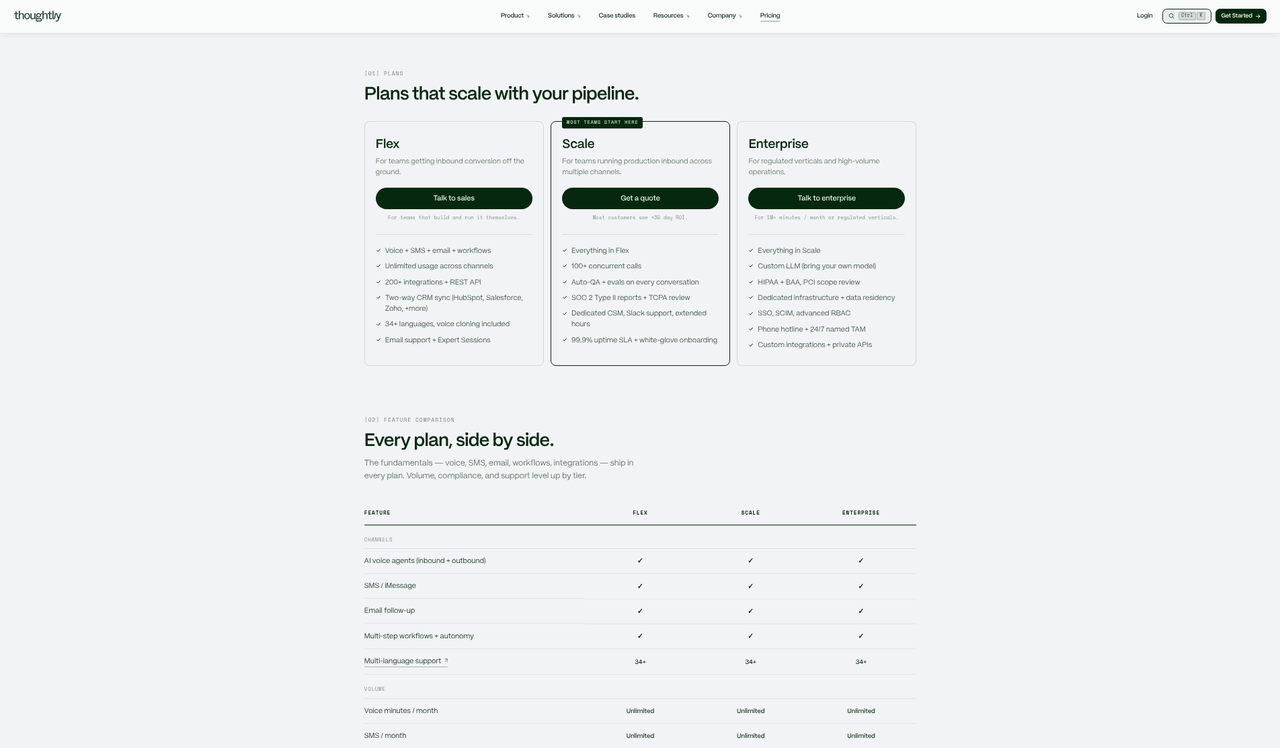
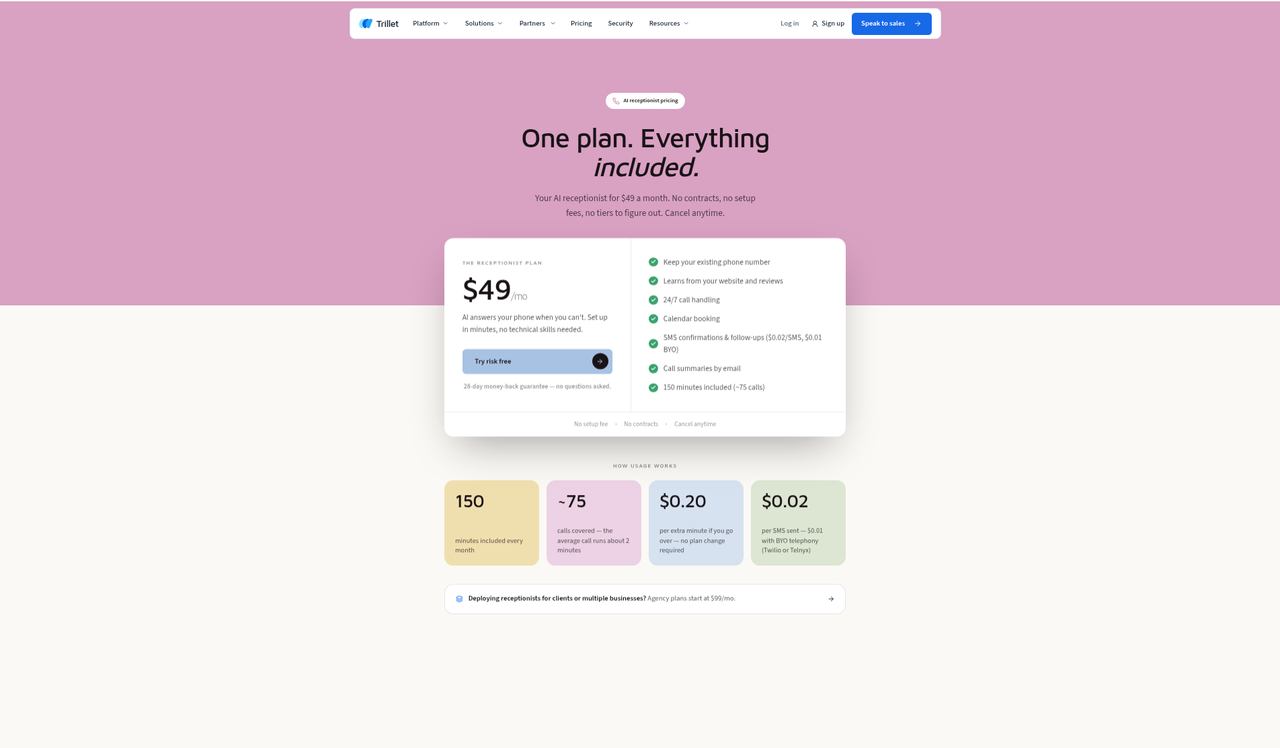
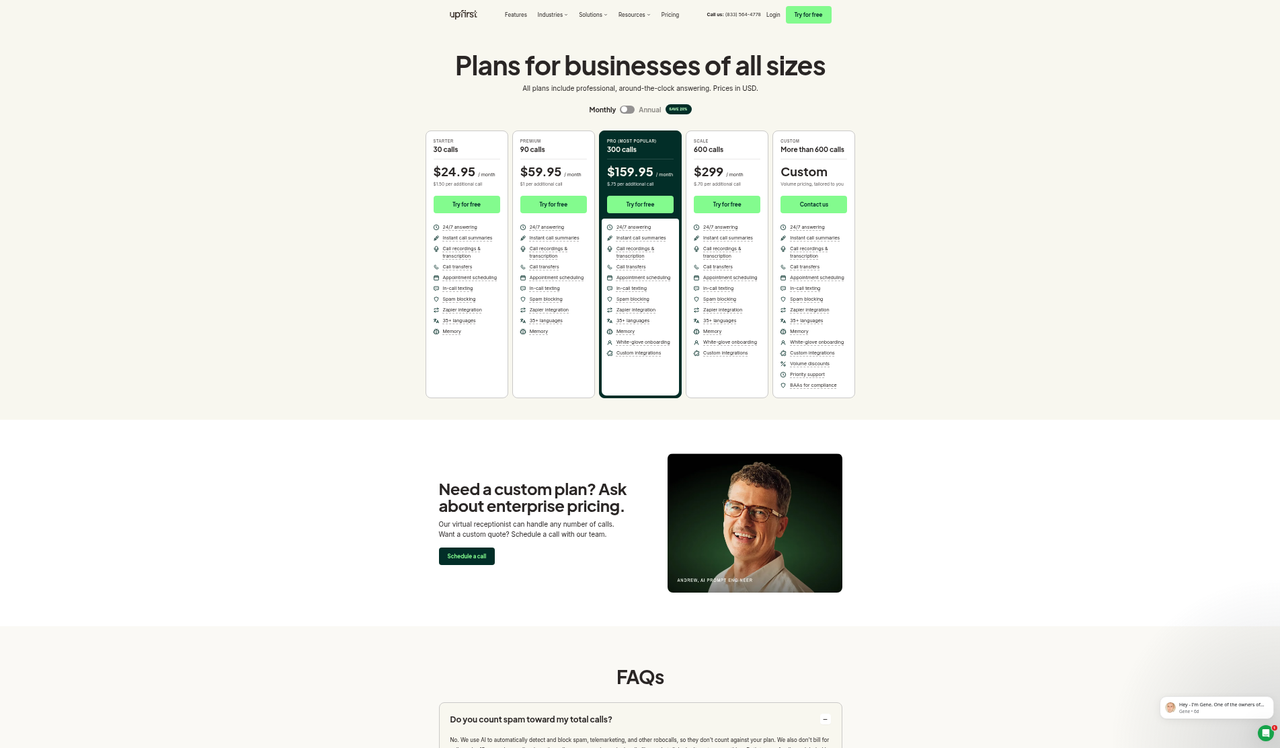
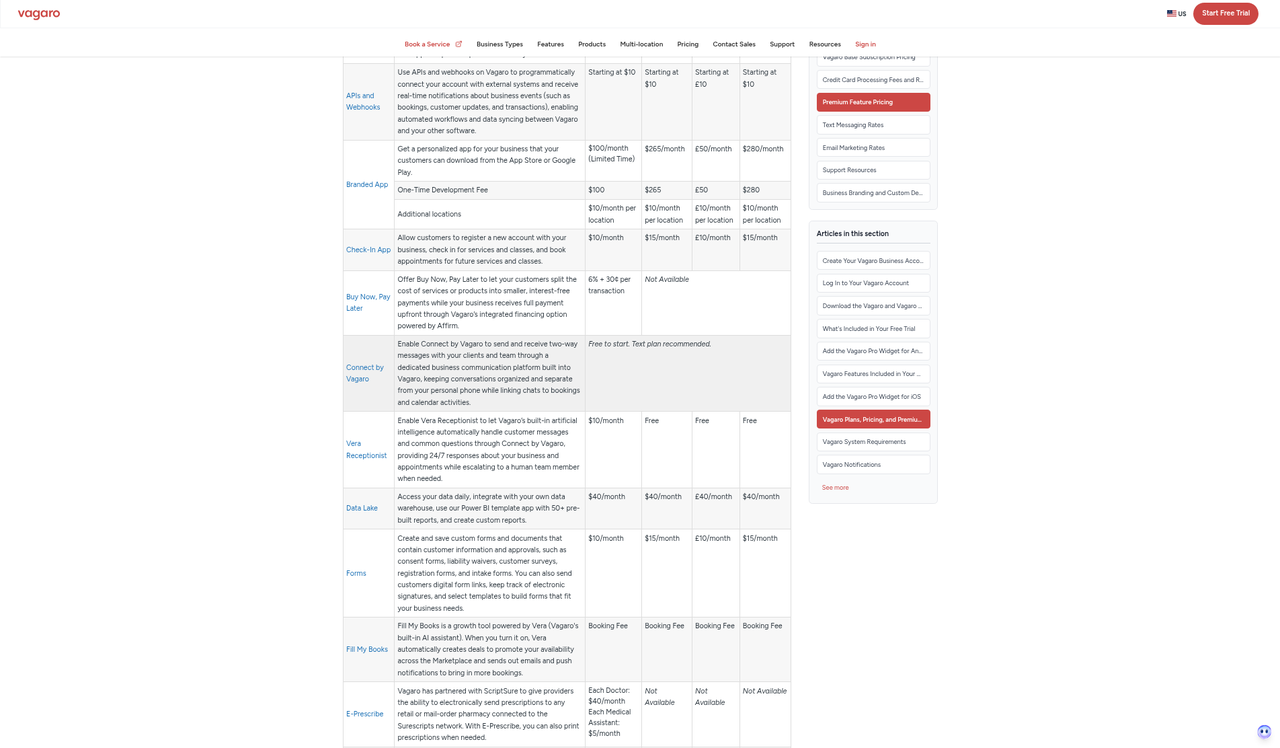
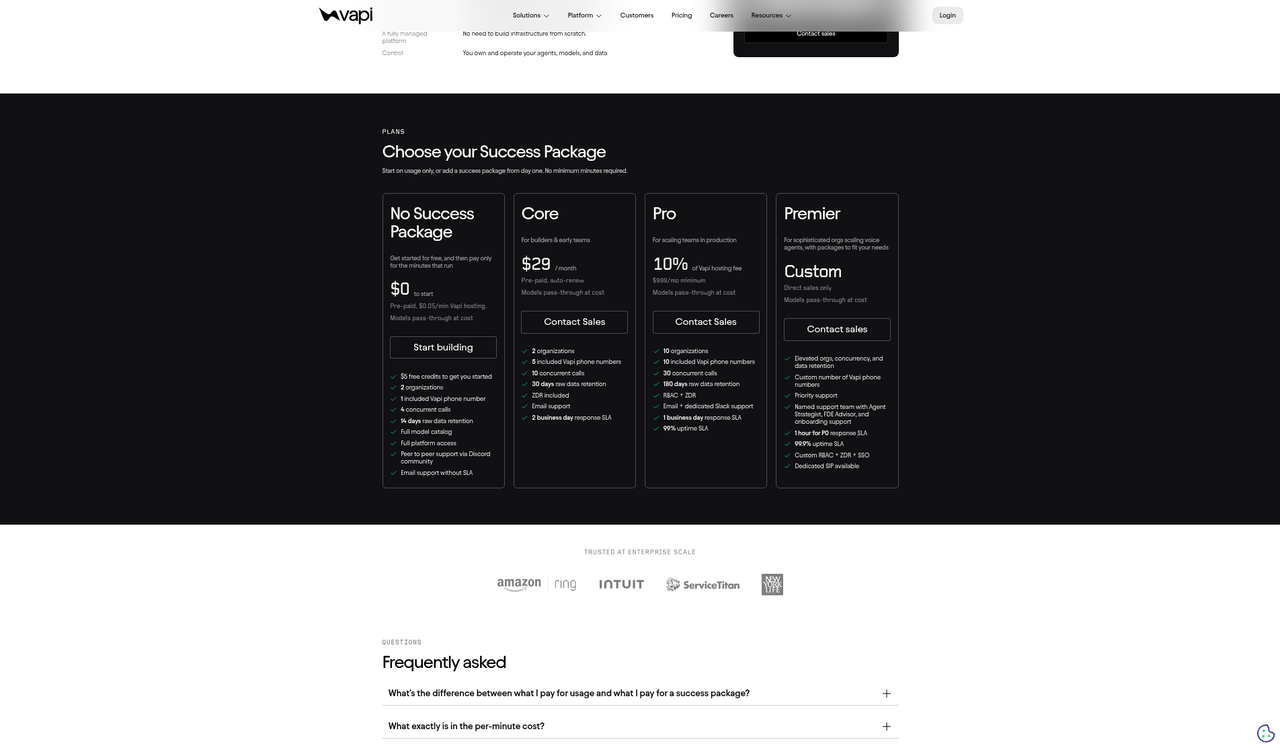
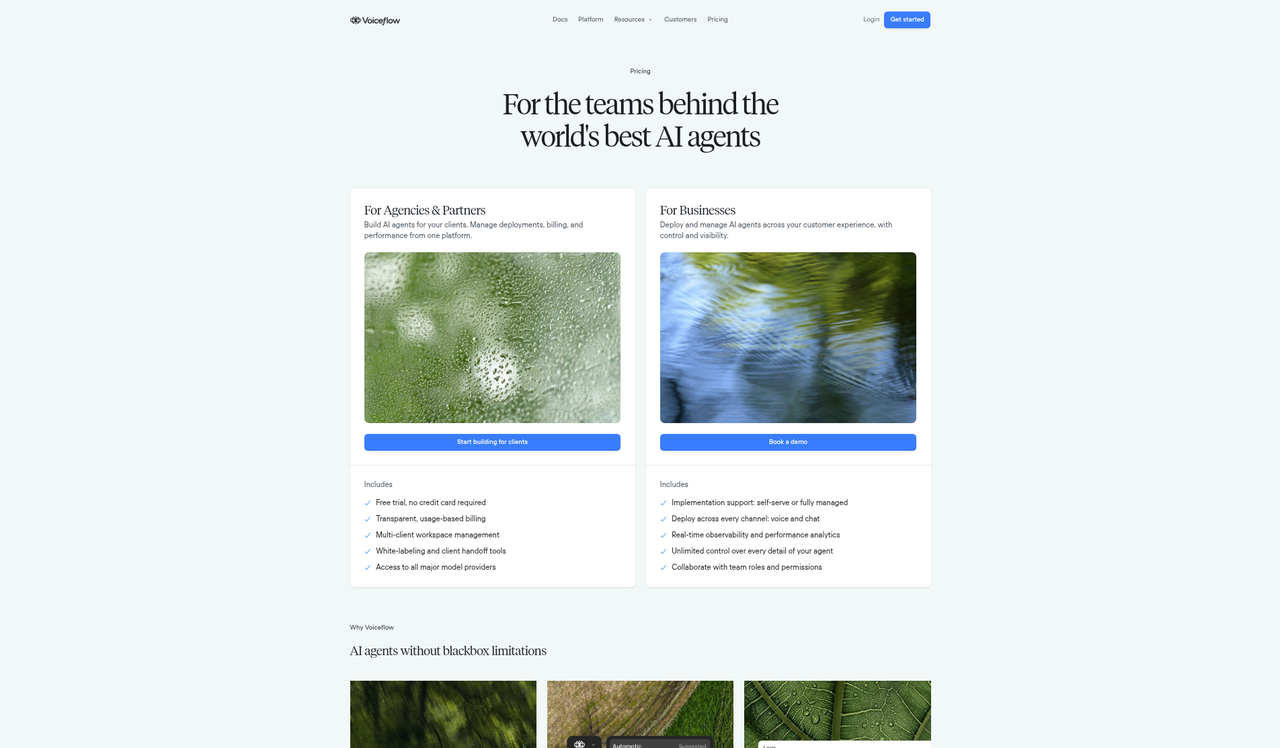
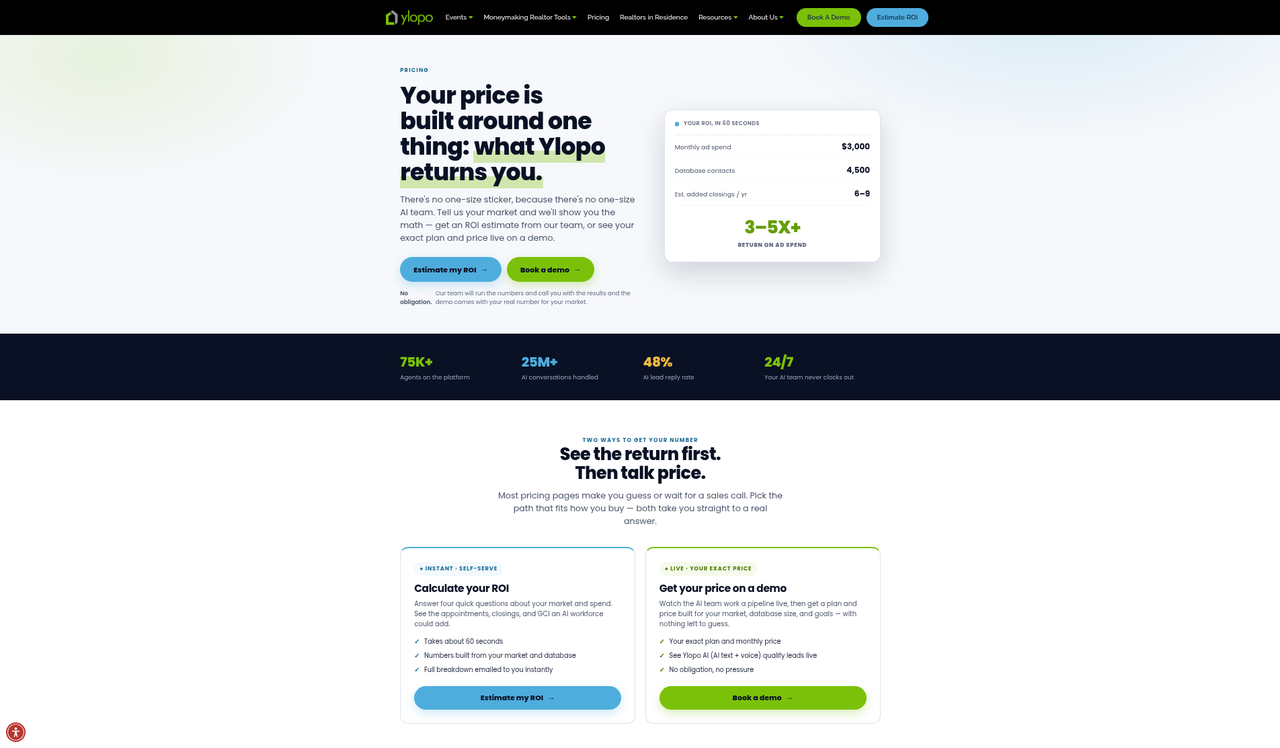
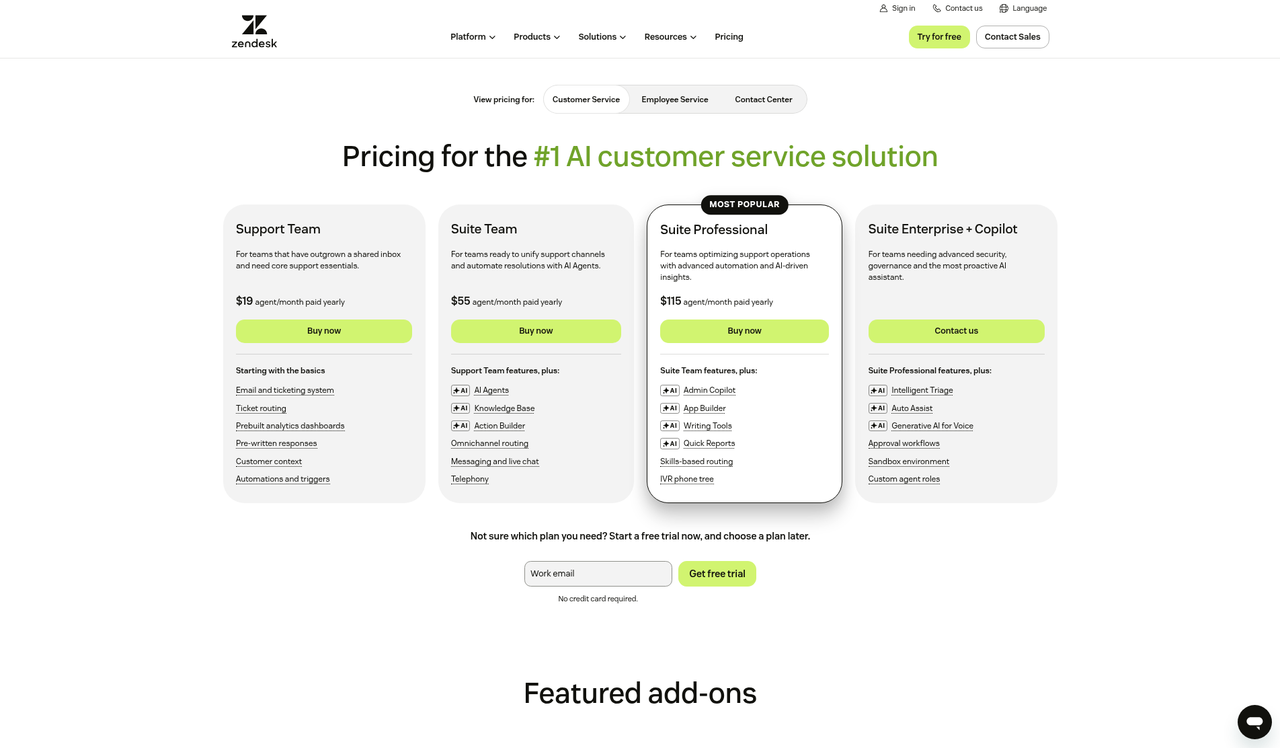
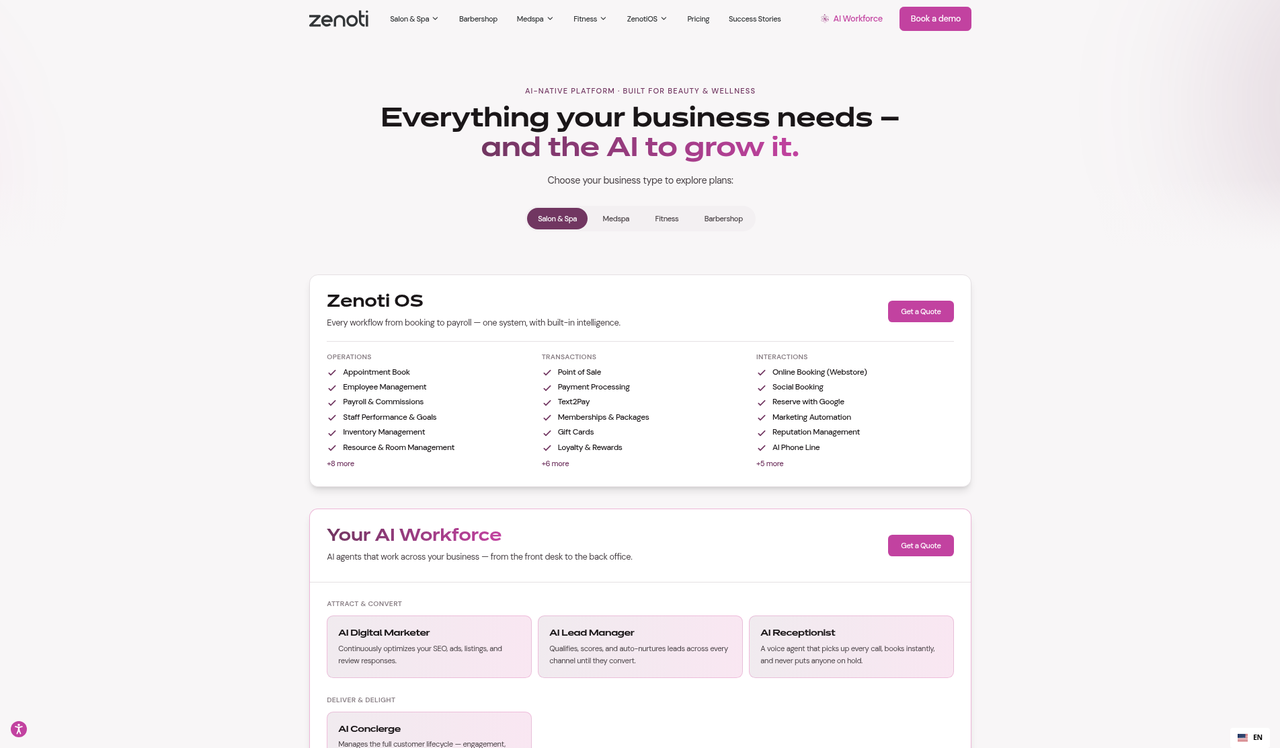
Every price this site quotes for another company’s product comes from that company’s own published pricing page, read by a person and captured as an image with the date it was taken. This page is where those captures live. There are 70 vendors in it.
We publish it for two reasons. The first is that a price in a comparison table is a claim, and a dated screenshot is evidence — anyone can check whether we read it correctly. The second is self-interested: we quoted one vendor’s price wrong across six pages once, and the only durable fix was to stop keeping prices in articles and start keeping them in one place with a review date attached.
Every Friday at 9am Eastern, a person opens all 70 pricing pages in this index and compares them to what is published here. Where a vendor has changed a price, the row and the screenshot are replaced the same morning, and every article on this site quoting the old figure is found by an automated check and corrected before the row is marked done.
Last full review: October 2, 2026. Next: Friday, October 9, 2026.
If you find a figure here that does not match what the vendor publishes today, we would like to know. Our corrections policy commits us to a documented fix within five business days, and that applies to a competitor’s price exactly as it applies to our own.
Vendors change prices without notice and a screenshot ages the moment it is taken, so treat every capture as evidence of what was published on that date and nothing more — check the vendor’s own page before you sign anything. Screenshots are reproduced for factual comparison; each remains the property of the company that published it.
Every vendor is listed A to Z, in one flat list, in the same format. No ranking, no tiers, no editorial order — where a company appears is decided by its name and nothing else. Futuro is in the list on the same terms as everyone else. A pricing record is only worth citing if the order it is presented in carries no opinion, and alphabetical is the only order that carries none.
Each row is tagged with what the product actually is, because that part matters and alphabetical order would otherwise hide it: a developer platform charging seven cents a minute is not an alternative to a human answering service charging $250 a month, and mistaking one for the other is the most common way a buyer in this category gets a nasty surprise. The cheap per-minute number usually belongs to something you still have to build. The tag tells you which is which; it does not decide who comes first.
Every entry has its own anchor, so any row can be linked or cited
directly — /vendor-pricing#vapi opens on Vapi.
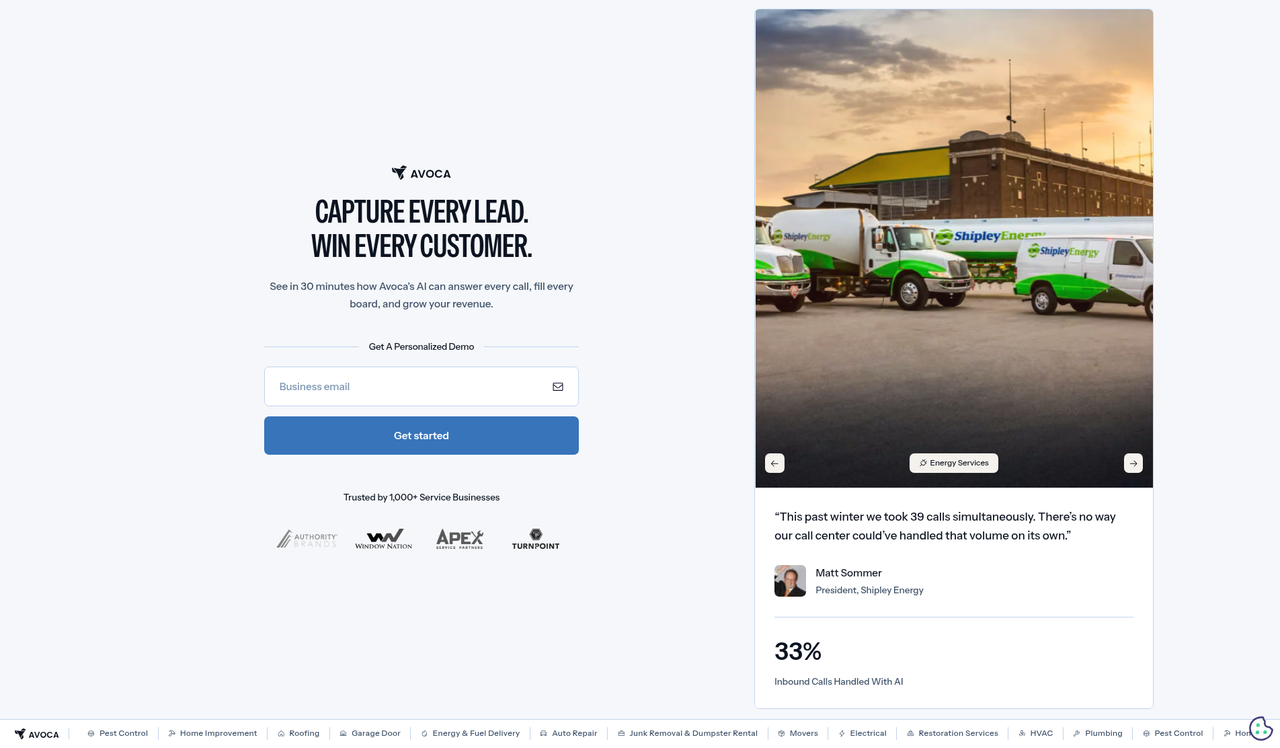
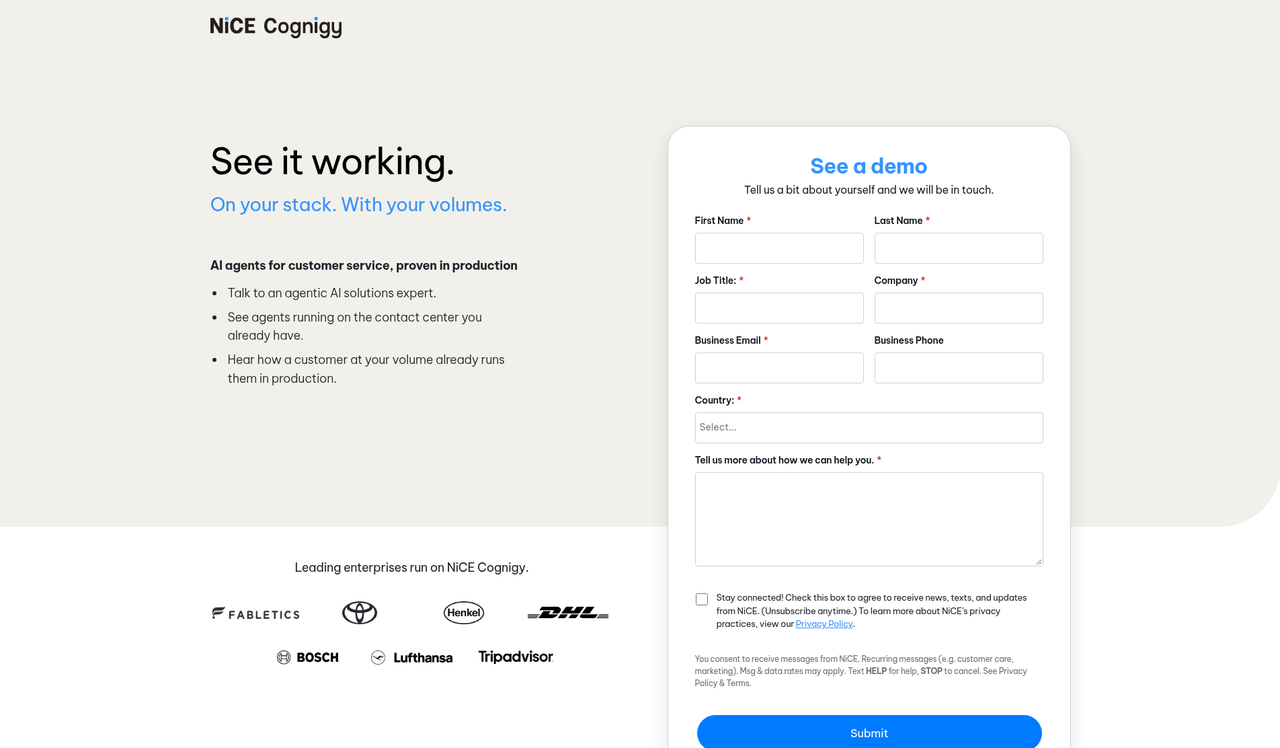
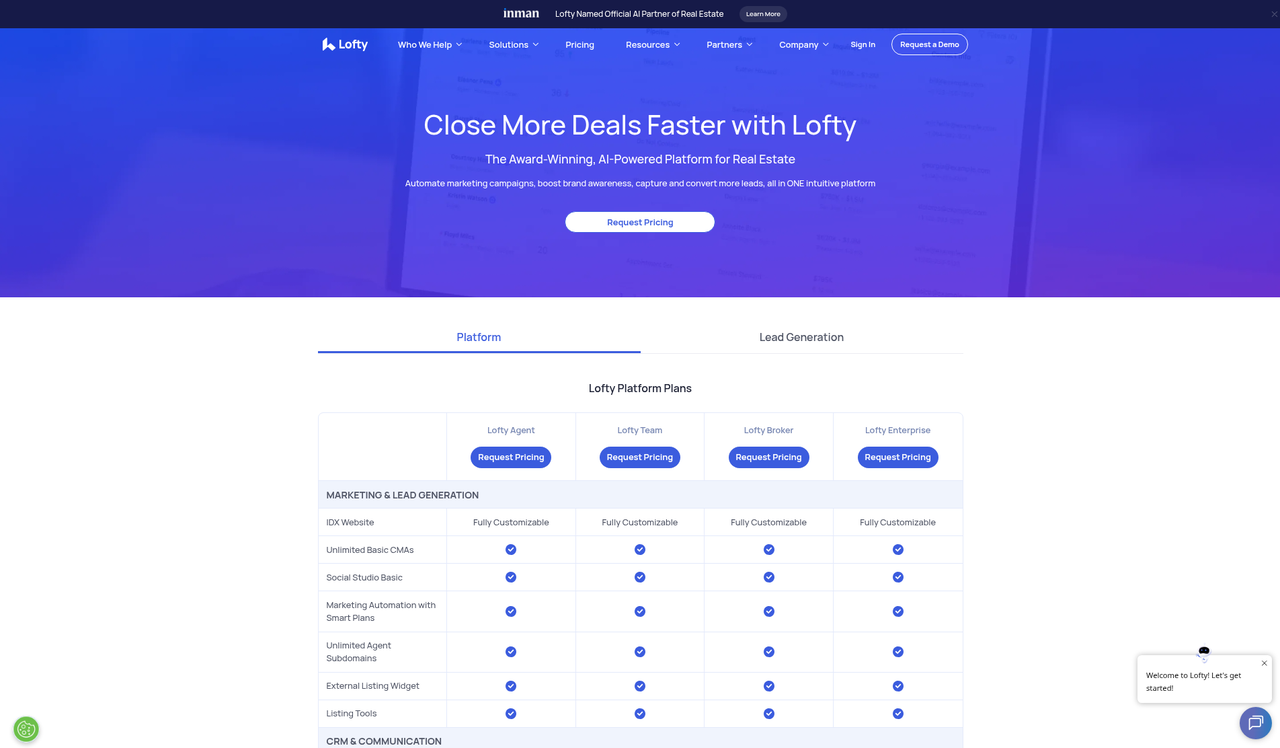
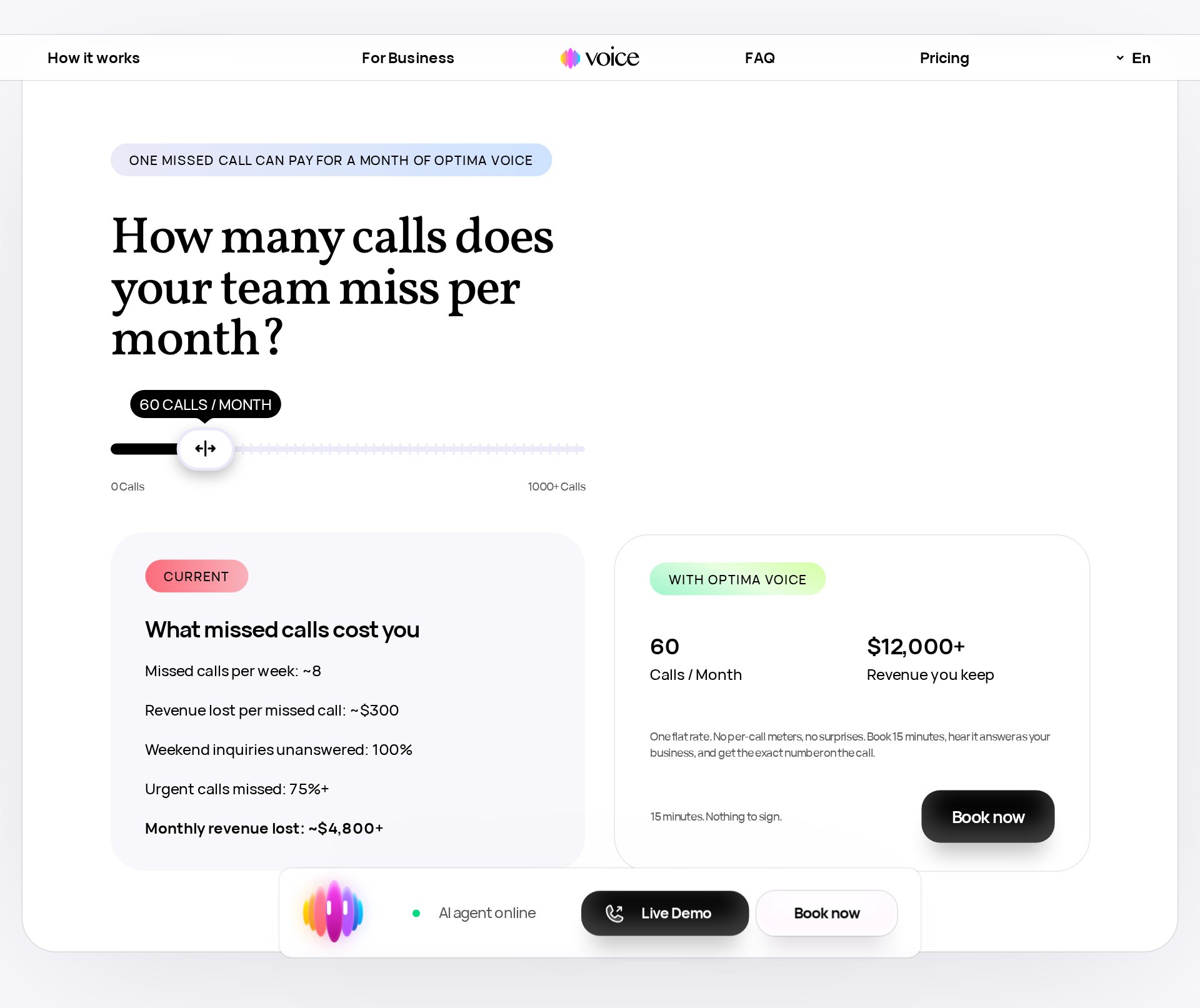
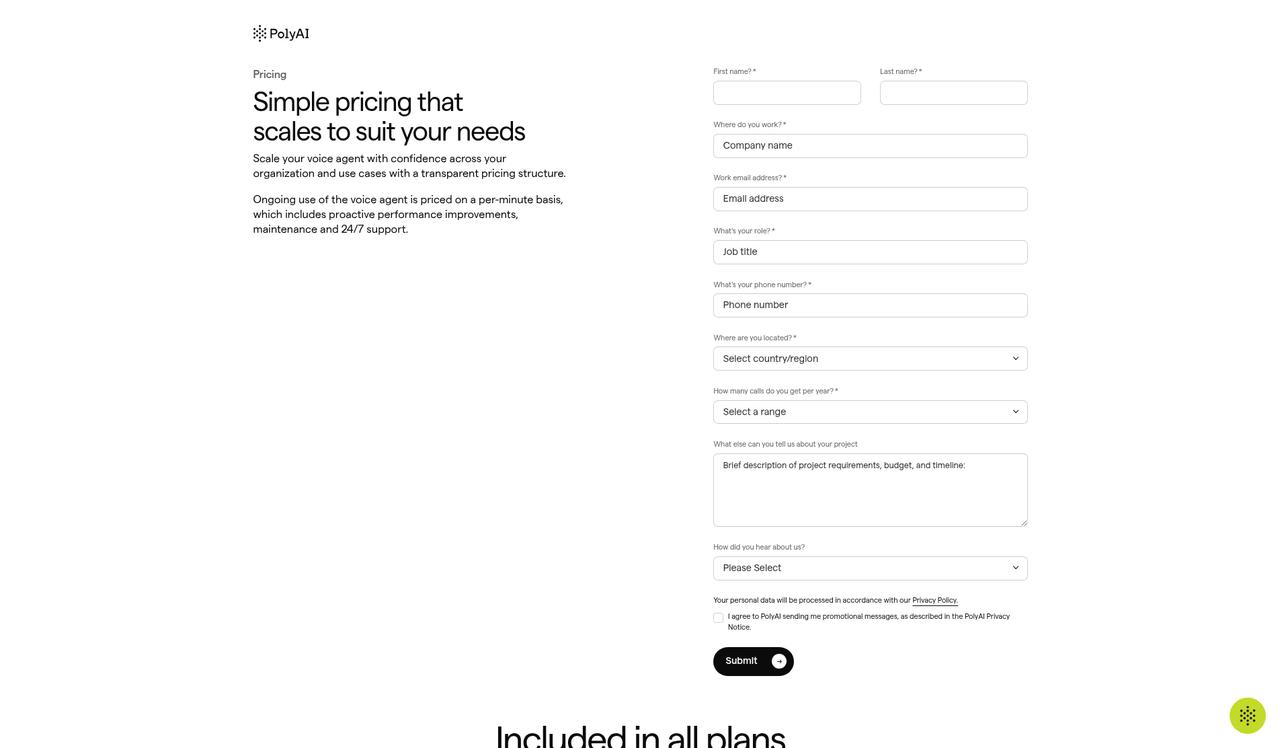
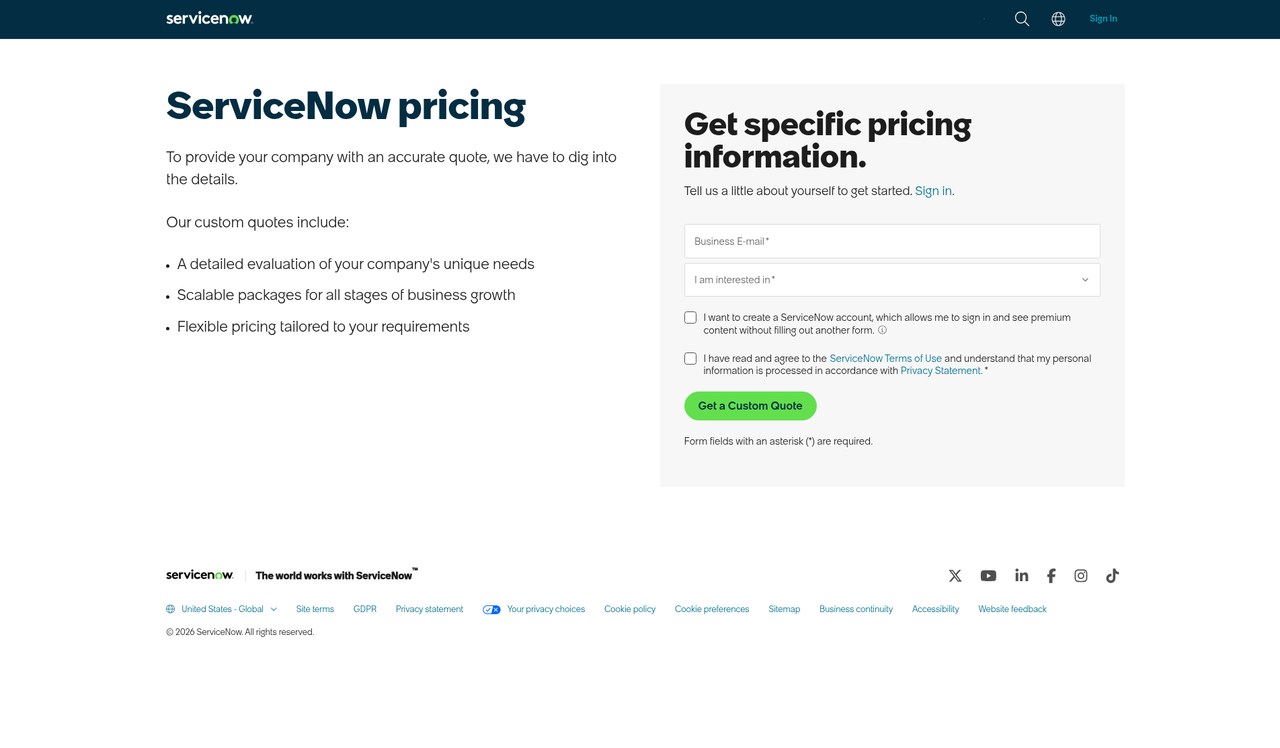
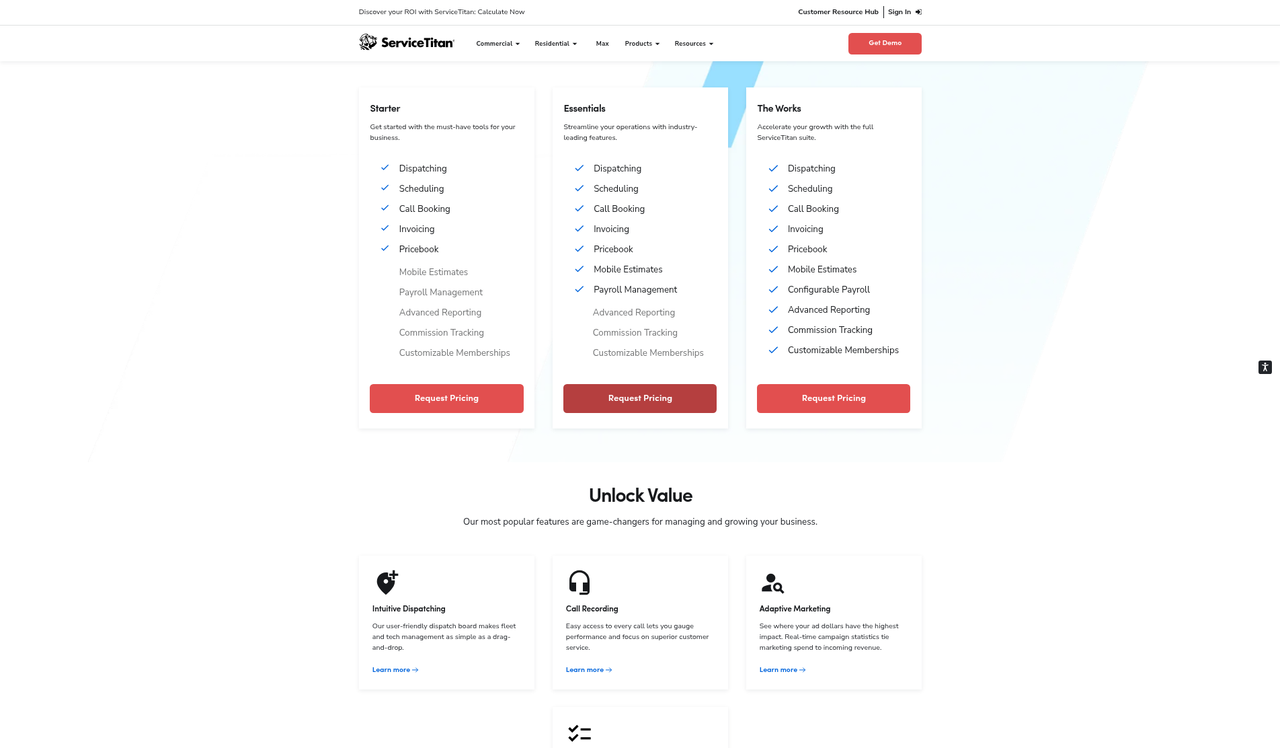
19 of the 70 vendors here — about 27% — publish no price anywhere on their site. That is itself the most interesting number on this page, and it is the one thing here we can assert without depending on anybody else. It is also useful: a vendor who withholds pricing is almost always sales-led and quote-based, which tells a buyer the evaluation will be slower and the number will depend on who is asking.
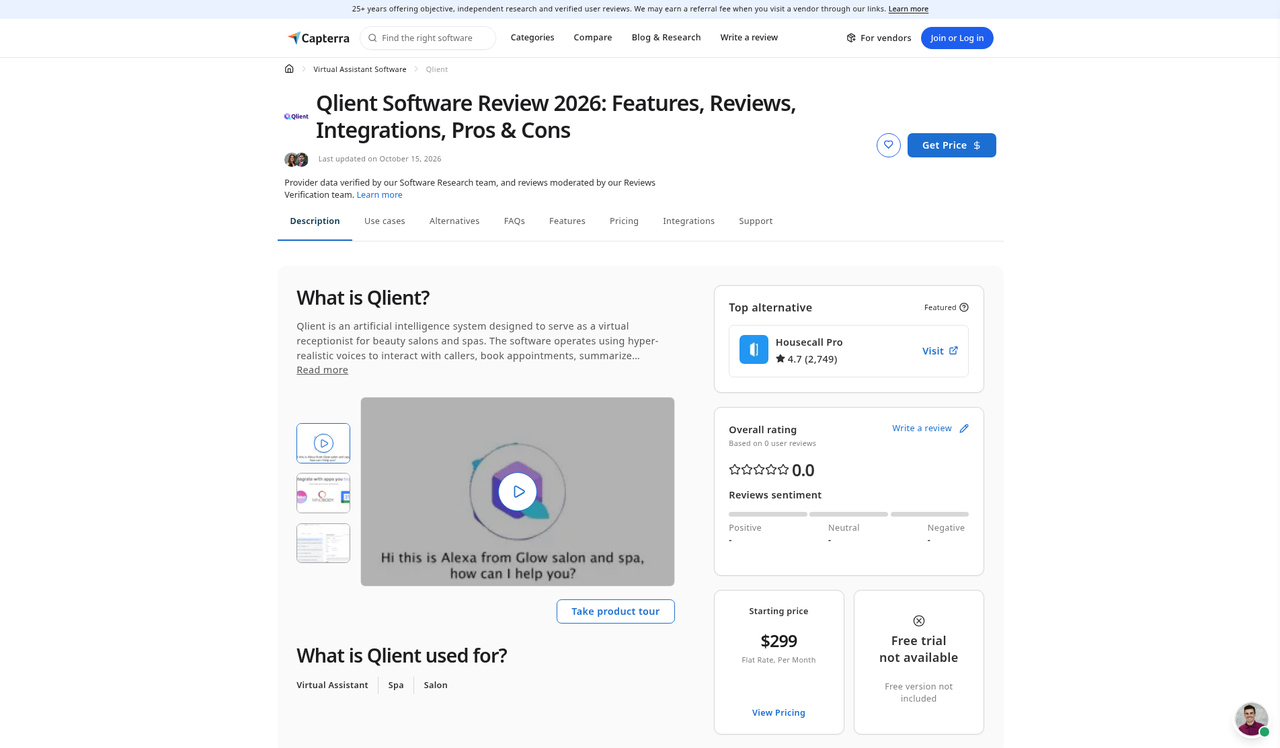
For those rows, where one exists, we add a figure from a third-party software directory — Capterra — marked directory source so it is never mistaken for the vendor’s own. 1 row currently carries one. This is the best available record when there is no primary one, not an equal substitute for it: directory pricing is typically supplied by the vendor and is not refreshed on any schedule we control, so it can be stale in a way a live pricing page cannot. Treat it as “what the vendor told a directory,” which is what it is.
What we do not use, in any row: a quote given to us privately, an aggregator’s blog post, or a competitor’s comparison page. If the only available number came from one of those, the row says the vendor does not publish pricing and stops there.


No vendor matches that search.